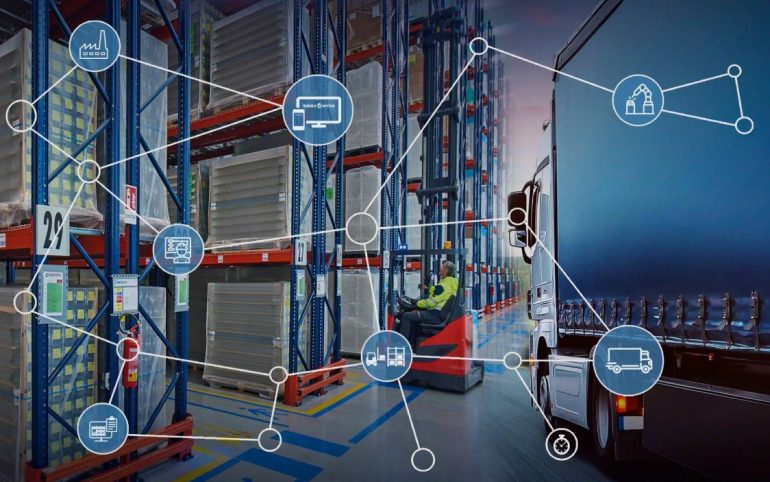
When you plan a relocation or set up a supply chain across EU borders, you quickly realize that theory and practice live on different planets. You can read all the official manuals, but they won’t tell you how to handle a sudden strike at a French port or why a specific document format triggers a rejection in a German customs office. Efficiency in this field relies on having a reliable digital hub where all your data intersects. That is why smart operators integrate tools like MyCab into their daily routine early on. Having a centralized workspace helps you avoid the chaos of scattered emails and frantic phone calls when a shipment goes sideways at three in the morning.
The reality of modern transport is that information moves faster than trucks. If your data lags behind your physical assets, you lose money. Most people think logistics is about engines and tires, but it is actually about managing expectations and verifying entries. A single typo in a VAT number or a missed notification can stall a project for days. We see this happen constantly with teams that rely on manual spreadsheets instead of automated environments.
Why Digital Integration Trumps Traditional Methods
Small mistakes eat your profit margins faster than fuel prices do. In the past, we spent hours double-checking addresses and contact details across multiple platforms. It felt like a marathon of copy-pasting. Today, we focus on high-level decision-making because the software handles the repetitive stuff. When you use a dedicated portal, you create a single source of truth for your team. This reduces the friction between dispatchers, drivers, and clients. Everyone sees the same status, which cuts down on “Where is my cargo?” queries by at least 60 percent.
Speed matters, but precision matters more. I often tell colleagues that a fast truck with wrong papers is just an expensive parking ornament. You need a system that flags inconsistencies before the vehicle reaches the checkpoint. Automated validation saves you from those awkward conversations with customs officers who don’t care about your tight deadlines.
If you are looking to streamline your operations this year, keep these practical points in mind:
- Automate the generation of recurring documents to eliminate human error.
- Use real-time tracking that feeds directly into your management dashboard.
- Maintain a digital archive of all past transactions for quick tax audits.
- Ensure your mobile interface works perfectly on the road where signals are weak.
Reliability isn’t something you buy; it is something you build through consistent processes. By moving your operational core to a cloud-based cabinet, you protect your business from local hardware failures. If a laptop breaks in the office, your business doesn’t stop because your entire workflow lives in a secure, accessible space.
Adapting to the Changing Regulatory Landscape
Europe changes its rules frequently. One month you are dealing with new environmental zones in Italian cities, and the next you have to adapt to updated posting of drivers regulations. Keeping track of these shifts manually is a full-time job that nobody wants. A professional platform acts as a filter, helping you stay compliant without needing a law degree. We noticed that companies using integrated management tools adapt to legislative changes 40 percent faster than those using traditional paper-based methods.
Security is another factor that people often overlook until it is too late. Sending sensitive commercial invoices through unencrypted chat apps is a recipe for disaster. Using a dedicated portal ensures that your trade secrets and client lists remain between you and your partners. It provides a professional layer of protection that builds trust with high-value customers.
When setting up your workflow, try to follow these steps to maintain order:
- Standardize how you input data to ensure your reports stay clean and readable.
- Set up automated alerts for expiring permits or insurance policies.
- Train your staff to use the communication tools within the platform rather than external apps.
- Review your analytics monthly to find bottlenecks in your most frequent routes.
Moving Toward a Paperless Future
The transition to a paperless office is not just an environmental choice; it is a competitive necessity. Searching through physical folders for a delivery note from three months ago is a waste of talent. In a digital cabinet, that same search takes two seconds. This level of accessibility changes how you handle disputes and insurance claims. You have the evidence ready before the other party even finishes their complaint.
We are moving toward an era where the hardware matters less than the ecosystem you inhabit. Your truck might be a 2024 model, but if your management style is from 1998, you will struggle to keep up with the market leaders. Embracing digital transformation means giving your team the tools to succeed in a high-pressure environment. It simplifies the complex, clarifies the vague, and gives you back the time you need to actually grow your business instead of just maintaining it.
Modern logistics demands a blend of grit and technology. You still need the best drivers and the best vehicles, but the invisible digital infrastructure is what keeps them moving. By investing time into setting up a proper digital workspace, you are essentially buying insurance against future chaos. It is the most logical step for anyone serious about navigating the European market with confidence.