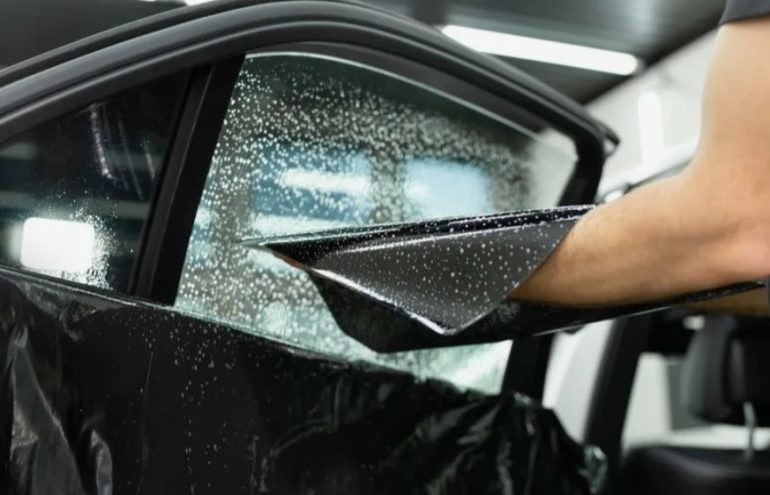
Certified Hands Make the Difference
Car owners often assume that all tint and paint protection services are the same, yet reality proves the opposite when the first bubbles or peeling edges appear. When installation is handled by trained specialists, the film sits flush with the glass and the coating cures into a clean, even shell that holds up to years of heat, rain and road grime. Skilled technicians know how to work with different models, curved windows and complex body lines without cutting corners. For drivers in sunny Florida, choosing experts at Redline Tint can be the difference between daily frustration and long‑term peace of mind.
Skills behind the surface
On paper, both a hobbyist and a certified installer can apply Window Tinting, but the way they prepare the car separates a quick fix from a real upgrade. Professionals measure glass precisely, decontaminate every edge, and match film type to the cabin layout and local climate. Enthusiasts often skip steps or rely on guesswork, and the small imperfections reveal themselves as gaps, dust specks or distorted visibility once the sun hits the glass.
Trained approach
Certified installers use cutting software, heat‑forming techniques and clear curing schedules, so tint lines follow factory edges and protective films wrap around curves without tension marks.
Untrained shortcut
When film is cut by eye and rushed into place, seams become uneven, corners start lifting, and owners notice glare, haze or color shifts far sooner than expected.
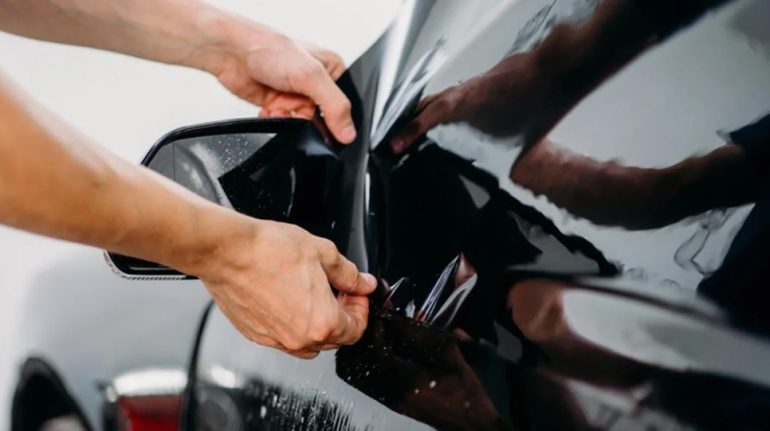
Protection that lasts
With modern cars, high-end paint films and advanced coatings are engineered to resist chips, stains and UV damage, but only when the material is installed under the right conditions. An expert knows how to stretch and squeegee the layer so it hugs the paint without trapping moisture, while a careless job leaves hidden pockets that later turn into cloudy patches or peeling edges. The same contrast shows up on windows: professionally installed Window Tinting keeps its shade and clarity, while improvised work fades or turns purple in harsh sunlight.
Certified protection
When a trained team applies film and coating, they follow manufacturer guidelines, respect curing times and document each step, so warranties hold up if a rare defect appears later.
Risky experiments
DIY attempts and cut‑rate offers usually lack traceable products or paperwork, leaving the owner alone with bubbling panels, water spots and denied claims.
Why expertise pays off
Drivers often focus on the headline price, yet over the lifespan of a vehicle the careful work of certified specialists usually costs less than repeated corrections. Proper Window Tinting helps the cabin stay cooler, protects interiors and reduces glare on every commute, while a well‑applied paint film shields exposed panels from gravel, salt and everyday wear. The result is a car that looks sharper for longer and retains more value when it is finally time to hand over the keys.
How to choose wisely
A good way to evaluate a studio is to look beyond glossy photos and ask clear questions about training, product lines and aftercare, instead of relying on vague promises. Look for installers who can explain the differences between basic dyed films and advanced options, who invite you to inspect their work in daylight, and who offer a written guarantee that actually lists what is covered. If the team is confident in their process, they will also be open about maintenance, from how to clean fresh Window Tinting to how long a new protective layer should stay dry before the car returns to daily use.