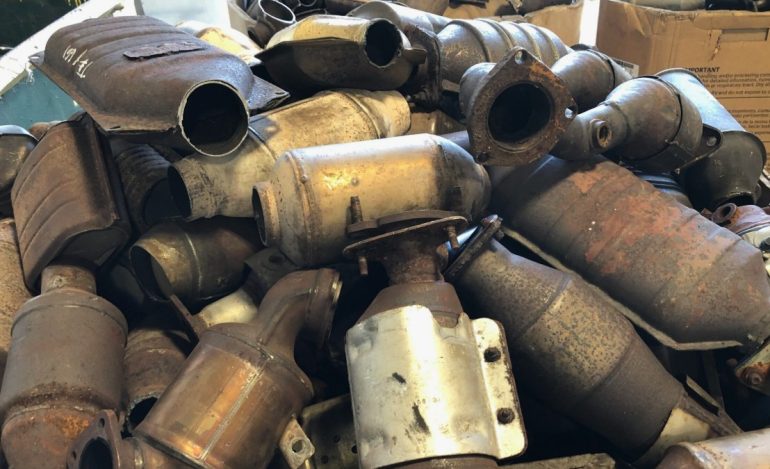
If you have ever requested multiple quotes for the same converter and received wildly different offers, you are not imagining things. In the recycling market, pricing can vary more than sellers expect, especially when it comes to catalytic converters. One buyer may give a cautious estimate, another may promise a premium, and a third may ask for inspection before committing to any number at all.
For auto dismantlers, repair shops, fleet managers, and independent recyclers, that pricing gap can be frustrating. But it usually comes down to a few practical factors: metal content, identification accuracy, assay methods, logistics, payment terms, and the buyer’s downstream refining network. Understanding those variables can help you avoid undervaluing material and make smarter decisions when comparing buyers.
In other words, the difference in offers is not always random. It is often a direct reflection of how each company evaluates risk, recovery potential, and resale or refining margins.
What Actually Determines Catalytic Converter Value?
At the core of converter pricing are platinum group metals, commonly platinum, palladium, and rhodium. These metals are what make catalytic converters valuable, and their market prices can move significantly over short periods. Even modest shifts in PGM markets can affect what buyers are willing to pay.
However, metal markets are only one part of the story. Two converters that look similar on the outside may contain very different amounts of recoverable metal inside. This is why serial number identification, manufacturer type, substrate condition, and material origin matter so much.
Buyers generally assess value based on:
- Converter make, model, and reference number
- Expected PGM loading
- Physical condition and completeness
- Ceramic or metallic substrate type
- Current precious metal market trends
- Sampling, processing, and refining capability
- Volume and consistency of supply
That is also why published scrap catalytic converter prices are often treated as guides rather than universal, fixed rates. What one buyer can recover efficiently may not match another buyer’s capabilities or business model.
Why One Buyer Pays More Than Another
1. Different Levels of Identification Accuracy
Some buyers rely heavily on visual reference catalogs and basic serial lookups. Others combine cataloging with broader market intelligence, historical assay data, and in-house processing knowledge. The more accurate the identification process, the more confident the buyer can be in offering a stronger price.
If a buyer is uncertain about a unit, they may lower the offer to protect themselves. That does not necessarily mean they are acting unfairly; it may simply mean their system is less precise.
2. Processing and Assay Capabilities Matter
Not all buyers handle converters the same way after purchase. Some act as traders and quickly resell material to another processor. Others have access to structured processing streams that include decanning, homogenized sampling, and lab analysis such as XRF or ICP testing.
That difference matters because companies with better processing transparency can often price closer to actual recoverable value. A business built around sourcing, processing, and trade logistics can reduce uncertainty and potentially return stronger value to sellers over time.
This is one reason many professional sellers prefer to work with specialized partners rather than general scrap buyers. Companies like Recohub, for example, position catalytic converter recycling within a broader system that connects collectors, recyclers, and refiners, which can support more informed valuation and smoother settlements.
3. Volume Changes the Offer
If you are selling one or two pieces, you may receive a more conservative quote than a dismantler or recycling yard selling regular bulk loads. Higher volume allows buyers to spread logistics and processing costs across more material, which can improve pricing.
Consistent sellers also tend to build trust with buyers. When material quality, packaging, and documentation are predictable, risk goes down. Lower risk often leads to better bids.
4. Logistics and Location Play a Bigger Role Than Sellers Expect
Transport costs, customs requirements, and turnaround times can all influence an offer. A buyer located within a strong international trade and logistics environment may be able to move material more efficiently than a smaller local operator. That efficiency affects cost structures and, ultimately, the price they can pay.
This is especially relevant in international recycling. A UAE-based hub with strong access to trade lanes between East and West can create practical advantages in sourcing and delivery. Faster movement, better infrastructure, and clearer shipping pathways can improve operational efficiency throughout the value chain.
5. Payment Terms Can Mask the Real Price
Some buyers advertise an attractive headline rate but offset it through delayed settlement, uncertain grading, or deductions that appear later. Others may offer a slightly lower initial number but provide clearer terms, better reporting, and more reliable final settlement.
When comparing offers, always ask:
- Is the quote firm or subject to inspection?
- How is the material identified and graded?
- Will there be an assay-based final settlement?
- Are there processing, freight, or handling deductions?
- How quickly will payment be made?
A quote only has value if the process behind it is transparent.
Why Condition and Completeness Affect Used Units
Another reason prices differ is material condition. used catalytic converters that are complete, correctly identified, and free from excessive damage are easier to evaluate and process. By contrast, cracked, empty, contaminated, or heavily altered units create uncertainty.
For example, if the monolith is missing or damaged, the buyer may assume lower recovery potential or additional processing loss. That means a discounted offer. Even if the converter shell looks intact, internal condition still matters.
For sellers, the takeaway is simple: store and sort converters carefully. Keeping references visible, avoiding unnecessary breakage, and separating material by type can improve quote quality and reduce disputes.
How Sellers Can Get More Accurate Quotes
If your goal is to maximize returns, the best strategy is not simply chasing the highest first number. It is creating the conditions for accurate pricing. That means presenting material clearly and choosing buyers with a professional process.
Here are a few ways to improve quote accuracy:
- Provide clear photos of serial numbers and unit condition
- Separate OEM and aftermarket material
- Group converters by brand or application when possible
- Ask how the buyer determines value
- Request clarity on assay, settlement, and deductions
- Work with buyers that understand cross-border logistics and refining channels
In practice, the most reliable outcomes often come from specialized recycling partners that do more than simply collect material. A company with defined sourcing, processing, and trade capabilities can often provide a stronger framework for valuation than a buyer operating on limited reference data alone.
The Hidden Cost of Selling to the Wrong Buyer
Most sellers focus on the number attached to the quote, but the real cost of choosing the wrong buyer can be much higher. Underpriced sales, unclear grading, delayed payments, and poor communication all reduce your net result. Over time, those losses add up.
This is particularly important for businesses handling regular volumes. If you are moving catalytic converter material every month, even a small gap in value per unit can become a significant annual loss. That is why professional recyclers increasingly seek partners with documented processes, analytical support, and dependable logistics rather than relying solely on local spot buyers.
Transparency is not just a nice extra. It is a profit factor.
What to Look for in a Long-Term Recycling Partner
When evaluating a buyer, look beyond the quote sheet. Ask whether the company understands not just purchasing, but also the full chain from collection to refining. A capable partner should be able to explain how material is handled, how value is assessed, and how settlement is structured.
That is where specialist companies stand out. Recohub, for example, focuses on connecting collectors, recyclers, and refiners in a way that helps restore value from precious-metal-bearing waste. With services built around catalytic converter recycling and supported by logistics strength in the UAE, the company reflects what many sellers now want most: a more informed, process-driven route to fair value.
If you regularly sell converter scrap, it is worth reviewing not just who offers the highest quote today, but who can provide the most dependable pricing framework over time. That shift in thinking can protect margins, improve trust, and make your recycling operation more efficient.
Ultimately, catalytic converter prices vary so much between buyers because buyers themselves vary in expertise, infrastructure, and downstream access. Once you understand that, the market becomes far easier to navigate. And if you want a practical benchmark or a better understanding of how professional converter recycling works, Recohub’s catalytic converter resource is a helpful place to start.