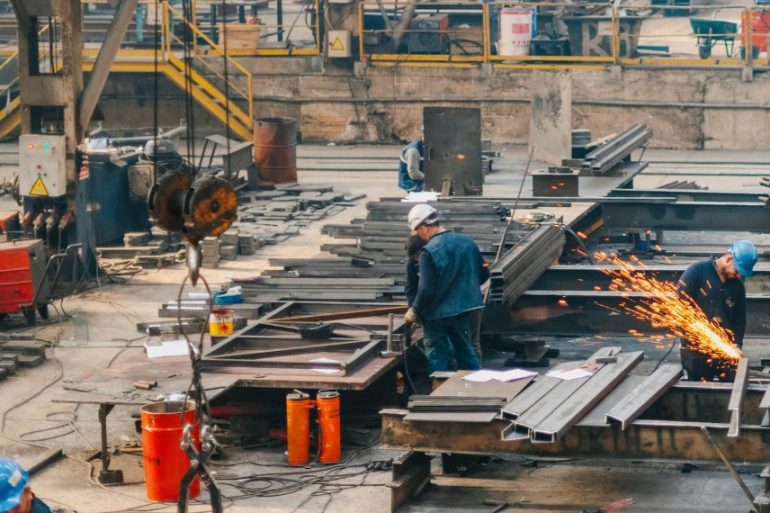
Moving a production line to a new country sounds straightforward until you account for permits, energy supply, and logistics that rarely align on the same timeline. For manufacturers considering a move, understanding how industrial relocation in Ukraine actually works in practice — beyond the headlines about rebuilding the economy — makes the difference between a six-month launch and a two-year delay.
Why the process is more complex than it looks
A company relocating for the first time usually underestimates the number of approvals involved: local authorities, energy providers, industrial site landlords, and infrastructure contractors all operate on different timelines. When one person without sector-specific experience manages all of this alone, the overall launch timeline tends to double rather quickly.
Key factors to check before choosing a site
Before signing a lease or purchase agreement for an industrial site, it’s worth confirming several things upfront:
- available energy capacity matches the specific production process;
- transport access — road quality for heavy freight and distance to major logistics hubs;
- the permitting status of the site — whether production can start immediately or additional approvals are required first;
- proximity to suppliers or complementary manufacturers that could shorten the supply chain.
The role of industrial parks in reducing risk
Industrial parks exist specifically to remove part of the infrastructure burden from individual manufacturers — grid connections, access roads, and sometimes permitting groundwork are already handled at the design stage of the park itself. This isn’t the right fit for every business, but for mid-size and large manufacturers, this model often cuts launch time by several months compared to sourcing a standalone site on the open market.
The energy question investors tend to overlook
One factor that deserves attention before signing anything is the actual available energy capacity at a site, not the figure quoted in a marketing brochure. Energy-intensive manufacturers frequently discover that nominal grid capacity exists on paper, but the real limit for a new connection is far lower than expected. Verifying this before committing to a lease is far cheaper than redesigning the power supply scheme after construction has already started.
Building a realistic launch timeline
A realistic relocation plan doesn’t assume a best-case scenario — it accounts for typical delays at every stage: approvals from local authorities, grid connection, and permits to begin production. Companies that have already gone through this process usually build in an extra 15-20% on top of the initial timeline, and that buffer is often what prevents a situation where a facility is physically ready but not yet legally cleared to operate.
When planning relocation, it’s worth building in a buffer for unexpected delays — even with an experienced partner, some steps depend on external authorities whose pace is difficult to predict in advance.