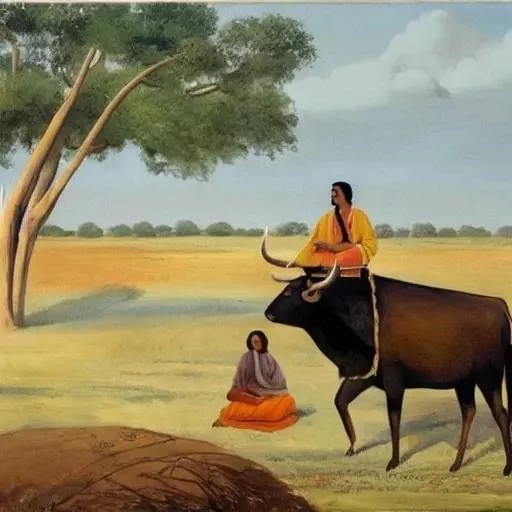
The epic romance of Heer Ranjha stands as one of the most poignant and enduring narratives in South Asian folklore․ This tragic love story, penned by the Sufi poet Waris Shah in the 18th century, transcends mere storytelling to become a profound exploration of societal constraints, spiritual devotion, and the unyielding power of love․ The tale of Heer Ranjha has been retold countless times, captivating generations with its emotional depth and universal themes․ It continues to resonate deeply within popular culture, inspiring art, music, and cinema across the subcontinent․
The Genesis of the Heer Ranjha Legend
The story originates from the Punjab region, a land rich in romantic and spiritual lore․ It tells of a beautiful woman named Heer Sial, from a wealthy and influential family, and a charming young man named Ranjha, a cowherd from the Jatt tribe of Takht Hazara․ Their initial encounters blossomed into an intense, undeniable love, defying the rigid social structures and familial expectations of their time․
- Key Elements of Their Early Romance:
- Fateful Meeting: Ranjha, skilled in playing the flute, arrived in Heer’s village after a dispute with his family․
- Mutual Attraction: Heer was captivated by Ranjha’s music and his gentle demeanor, while Ranjha was enchanted by her beauty and grace․
- Secret Rendezvous: Their love deepened through clandestine meetings by the riverside and in the fields․
Principal Characters in the Heer Ranjha Narrative
The primary figures in this narrative are not just lovers but symbols of defiance and devotion․ Heer embodies beauty, courage, and unwavering commitment, while Ranjha represents purity of heart, musical talent, and a deep spiritual yearning for his beloved․ Their adversaries, particularly Heer’s uncle Kaido and her forced husband Saida, personify the societal pressures and familial honor that tragically impede their union․ The role of the Qazi (religious judge) and various village elders also highlights the institutional barriers they faced․
The Trials and Tribulations of Heer and Ranjha’s Love
The path for Heer and Ranjha was fraught with insurmountable obstacles, reflecting the harsh realities faced by lovers who dared to transgress social norms․ Their secret romance was eventually discovered, leading to severe consequences for both․ Heer’s family, outraged by her affair with a man beneath their social standing, forcibly married her off to Saida Khera, a man from another powerful family․ This act of forced separation forms the central tragedy of the tale, driving Ranjha to despair and a life of wandering․
Heer, despite her forced marriage, never relinquished her love for Ranjha, maintaining her fidelity in spirit․ Ranjha, heartbroken, embarked on a spiritual quest, eventually becoming a renunciate, or ‘jogī’, believing that only through divine intervention could he reunite with his beloved․ He traveled far and wide, enduring hardships, all while keeping the hope of seeing Heer alive in his heart․ The enduring power of Heer and Ranjha’s love is a testament to the fact that true love knows no boundaries, even those imposed by family and tradition․
- Major Conflicts Faced:
- Familial Opposition: Heer’s family, especially her uncle Kaido, vehemently opposed the match due to Ranjha’s lower status․
- Forced Marriage: Heer was compelled to marry Saida Khera against her will․
- Ranjha’s Transformation: His despair led him to become a jogī, seeking spiritual solace and a way to reunite with Heer․
- Societal Judgment: Their love was constantly judged and condemned by the community․
The Tragic Climax and Enduring Legacy
After many trials and tribulations, Ranjha, in his guise as a jogī, eventually reached Heer’s village and found her․ With the help of Heer’s sister-in-law, Sehti, who was sympathetic to their plight, they managed to escape․ However, their reunion was short-lived․ Heer’s uncles, still driven by vengeance and a warped sense of honor, poisoned Heer on the day she was finally supposed to marry Ranjha, after the Qazi had been persuaded to allow their union․ Ranjha, upon discovering her death, also died broken-hearted at her side․
The story of Heer Ranjha, despite its sorrowful conclusion, remains an eternal symbol of profound love and sacrifice․ It challenges conventional norms and critiques the often-cruel dictates of society, family honor, and religious dogma․ Its legacy is not just one of tragedy but also of defiance, reminding generations that true love, in its purest form, can transcend earthly boundaries and achieve a kind of immortality․
Frequently Asked Questions About the Heer Ranjha Story
- Q: Who wrote the most famous version of Heer Ranjha?
A: The most widely recognized and influential version of the Heer Ranjha epic was written by the Punjabi Sufi poet Waris Shah in the 18th century․ - Q: What themes does the Heer Ranjha story explore?
A: The story delves into themes of passionate love, societal oppression, familial honor, spiritual devotion, sacrifice, and the clash between individual desire and social conformity․ - Q: Is Heer Ranjha a true story?
A: While rooted in folk traditions and possibly inspired by historical figures, the story of Heer Ranjha, as narrated by Waris Shah, is largely considered a legendary or mythical tale, imbued with poetic license and Sufi philosophy․ - Q: Why is Heer Ranjha considered a tragic romance?
A: It is considered tragic because despite their deep love and relentless struggles, Heer and Ranjha are ultimately denied their union and meet a tragic end, symbolizing the inability of true love to overcome rigid societal barriers․
The immortal tale of Heer Ranjha continues to captivate hearts, serving as a powerful reminder of love’s enduring strength against all odds․ This epic not only narrates a passionate romance but also offers a profound commentary on the human condition, the complexities of societal expectations, and the spiritual journey of longing and devotion․ It remains a cornerstone of South Asian literary heritage, its echoes heard in countless cultural expressions, ensuring that the lovers’ sacrifice is never forgotten․