Constructing a Shed Roof: A Comprehensive Guide for WordPress Users
Building a shed roof is a crucial step in any DIY shed construction project, ensuring protection from the elements and adding structural integrity to your backyard storage solution. Whether you’re a seasoned carpenter or a beginner tackling your first shed, understanding the process of how to construct a shed roof is essential for a durable and functional outcome. This guide will walk you through the key considerations and steps involved in building a sturdy and weather-resistant shed roof, tailored for clarity and ease of implementation on WordPress.
Understanding Shed Roof Basics
Before diving into construction, it’s vital to grasp the fundamental principles of shed roof design. The primary function of a shed roof is to shed water effectively, preventing leaks and rot. Common shed roof styles include the single-slope (or pent) roof, the gable roof, and the gambrel roof, each offering different aesthetic and functional benefits. For most DIY projects, the single-slope or gable roof is the most straightforward to construct.
Choosing Your Shed Roof Style
The choice of shed roof style often depends on your aesthetic preferences, local climate, and the overall design of your shed. A single-slope roof is simple and cost-effective, directing water to one side, making it ideal for smaller sheds or when budget is a primary concern. Gable roofs, with their classic triangular shape, offer more headroom and a traditional look, suitable for larger sheds or those intended for more frequent use. Understanding these options is the foundational step in knowing how to construct a shed roof that meets your specific needs.
Planning and Material Selection
Thorough planning is paramount to a successful shed roof construction. This involves determining the dimensions of your roof, calculating the required materials, and selecting appropriate fasteners and roofing underlayment. Investing in quality materials will ensure the longevity and weather resistance of your shed.
Essential Shed Roof Materials
- Lumber for rafters, ridge board (if applicable), and fascia
- Plywood or OSB sheathing
- Roofing felt or synthetic underlayment
- Shingles (asphalt, metal, or wood) or other roofing material
- Drip edge flashing
- Roofing nails or screws
- Caulking or sealant
Proper ventilation is often overlooked but is critical for preventing moisture buildup within the shed, which can lead to mold and wood rot. Ensure your roof design incorporates adequate vents.
Steps to Construct a Shed Roof
With your plans finalized and materials gathered, you’re ready to begin the construction process. These steps outline the general procedure for building a common shed roof design.
Installing Rafters
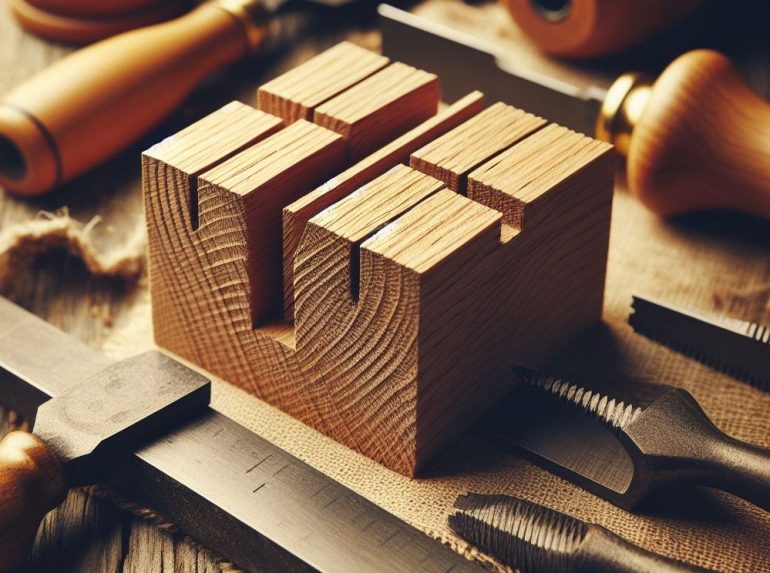
Rafters are the angled supports that form the sloped surface of your roof. They are typically cut from 2×4 or 2×6 lumber and are spaced according to building codes and the span of your shed. Accurate measurement and cutting of the rafters, including the birdsmouth notches that rest on the shed’s top plates, are critical for a solid structure.
Attaching Sheathing
Once the rafters are in place, the next step in how to construct a shed roof is to cover them with sheathing. Plywood or OSB panels are commonly used and are fastened securely to the rafters. This creates a solid base for your roofing material and adds significant rigidity to the roof structure.
Shed Roof Construction: A Comparison
| Roof Style | Pros | Cons |
|---|---|---|
| Single-Slope | Simple, cost-effective, easy to build | Limited aesthetic, water runoff concentrated on one side |
| Gable | Traditional look, good headroom, effective water shedding | More complex to build, requires more material |
Applying Underlayment and Flashing
Before installing the final roofing material, a layer of roofing felt or synthetic underlayment is applied over the sheathing. This acts as a secondary water barrier. Drip edge flashing should be installed along all eaves and rakes to direct water away from the fascia and into the gutters or off the roof.
Installing the Roofing Material
The final step in constructing your shed roof is the installation of your chosen roofing material, such as asphalt shingles. Start at the bottom edge of the roof and work your way up, overlapping each course according to the manufacturer’s instructions. Proper installation ensures a watertight seal and a long-lasting finish.
Frequently Asked Questions about Shed Roofs
Q1: How steep should a shed roof be?
The ideal slope for a shed roof depends on your climate and roofing material. For asphalt shingles, a minimum slope of 2:12 (2 inches of vertical rise for every 12 inches of horizontal run) is generally recommended. Steeper slopes are better for shedding snow and heavy rain.
Q2: What type of wood is best for shed rafters?
Pressure-treated lumber is often recommended for rafters, especially in areas prone to moisture or pests, as it offers enhanced durability and resistance to decay and insects. For drier climates, standard dimensional lumber like SPF (spruce-pine-fir) can also be used.
Q3: How do I ensure my shed roof is waterproof?
A waterproof shed roof is achieved through a combination of factors: a proper slope, a well-installed underlayment, correctly applied flashing (especially around vents or chimneys if present), and high-quality roofing materials installed according to manufacturer specifications. Regular inspection and maintenance can also help.
Conclusion
Constructing a shed roof is a rewarding project that significantly enhances the utility and lifespan of your shed. By carefully planning your design, selecting appropriate materials, and meticulously following each construction step, you can build a durable and aesthetically pleasing roof. Remember that attention to detail, from precise measurements for rafters to the correct overlap of shingles, is key to a successful outcome. A well-built shed roof not only protects your belongings but also adds considerable value to your property. With this guide, you are well-equipped to tackle the challenge of how to construct a shed roof with confidence and achieve professional results.