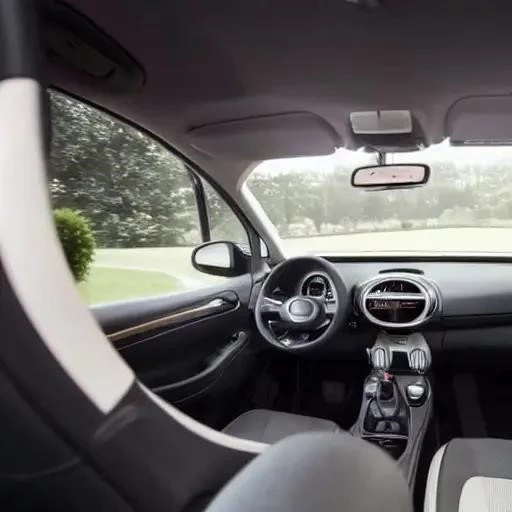
Discovering an ant infestation in your car can be an incredibly frustrating experience, turning your personal vehicle into an unwelcome picnic ground for tiny invaders․ These persistent pests often seek shelter, food, or water, making your car an attractive target, especially if crumbs or spills are present․ Swift action is crucial to successfully remove ants in car before the colony establishes itself more firmly․ This comprehensive guide will walk you through practical steps and proven methods to eliminate these unwanted passengers and restore your car’s cleanliness․
Understanding How Ants Get Into Your Vehicle and Why They Stay
Before tackling the removal process, it’s essential to understand the “why․” Ants are highly resourceful creatures, constantly foraging for resources․ Your car, unfortunately, can provide all three essential elements for their survival: food, water, and shelter․
Initial Inspection and Thorough Cleaning
The first and most critical step is a meticulous inspection followed by a deep clean․ This cuts off their food supply and disrupts their trails․
- Remove All Trash and Clutter: Start by taking out every single item from your car․ This includes old receipts, empty coffee cups, snack wrappers, and anything that might contain food residue․
- Vacuum Every Nook and Cranny: Use a powerful vacuum cleaner with appropriate attachments to reach under seats, into crevices, floor mats, and even air vents․ Pay special attention to areas where you’ve seen ants congregating․ Vacuuming not only removes visible ants but also their pheromone trails․
- Wipe Down All Surfaces: Use an all-purpose car interior cleaner or a solution of equal parts white vinegar and water to wipe down all hard surfaces․ This includes the dashboard, door panels, center console, and cup holders․ Vinegar is excellent for erasing ant trails and acts as a natural repellent․
- Clean Upholstery and Carpets: If you have fabric seats or carpet, consider a deeper clean using an upholstery cleaner to remove any hidden food particles or stains that might be attracting ants․
Methods for Getting Rid of Ants in Your Car
Once the initial cleaning is complete, you can deploy targeted strategies to eliminate any remaining ants and deter new ones․ This is a critical phase in how to remove ants in car effectively․
Natural Approaches for Ant Control
Many natural remedies can be effective and are generally safer for use within an enclosed space like a car․
- White Vinegar Spray: A mixture of equal parts white vinegar and water in a spray bottle can be sprayed directly on ants and surfaces․ It kills ants on contact and disrupts their scent trails․ Let it sit for a few minutes, then wipe clean․
- Diatomaceous Earth (DE): Food-grade diatomaceous earth is a natural powder made from fossilized algae․ When ants walk over it, the microscopic sharp edges cut their exoskeletons, leading to dehydration and death․ Sprinkle a very thin layer in hard-to-reach areas, under floor mats, or in crevices․ Use with caution to avoid inhaling the dust․
- Peppermint Oil: Ants dislike the strong scent of peppermint․ Place a few drops of peppermint essential oil on cotton balls and strategically place them in areas where ants are present, such as under seats or in door pockets․
- Borax and Sugar Bait (Use with Extreme Caution): A mixture of borax and sugar (e․g․, 1 part borax to 3 parts sugar) mixed with a little water to form a paste can be placed on a small piece of cardboard․ Ants will carry it back to their nest, poisoning the colony․ Absolutely ensure this is placed where pets or children cannot access it․
Chemical Solutions (Use as a Last Resort and with Great Care)
For severe infestations, chemical solutions might be considered, but always prioritize safety and ventilation․
- Ant Baits: Small, enclosed ant baits (gel or solid) contain a slow-acting insecticide mixed with an attractive food source․ Ants take the bait back to the colony, eliminating the source․ Place these discreetly in areas ants frequent, ensuring they are stable and won’t spill․
- Insecticide Sprays: General household insecticide sprays designed for ants can be used, but extreme caution is advised․ Spray only specific trails or nests you can pinpoint, ensure ample ventilation, and avoid spraying on surfaces that children or pets might touch․ Always read and follow product instructions carefully․
Preventing Future Ant Invasions in Your Car
Once you’ve managed to remove ants in car, maintaining an ant-free environment requires ongoing vigilance․
- Regular Cleaning Schedule: Make it a habit to vacuum and wipe down your car’s interior regularly, even if you don’t see any ants․
- Avoid Eating in the Car: This is the number one rule․ Food crumbs and spills are primary attractants․ If you must eat, clean up immediately and thoroughly․
- Seal Entry Points: Inspect your car’s exterior for any small cracks or openings, especially around door seals, windows, and the firewall․ While difficult to seal completely, addressing obvious gaps can help․
- Park Away from Ant Habitats: If possible, avoid parking under trees where ants might nest, or near large ant hills․
- Check Your Surroundings: If you regularly park in a garage or driveway, ensure that area itself isn’t infested, as ants could be transferring from there into your car․
Frequently Asked Questions About Car Ant Infestations
Q: What specifically attracts ants to my car?
A: Ants are primarily attracted to food sources (crumbs, spilled drinks, sticky residues), water (condensation, leaks), and shelter․ A car offers a protected environment, especially if it’s not regularly cleaned․
Q: Are ants dangerous to my car’s electrical system?
A: While rare, some ant species (like certain fire ants) are known to be attracted to electrical currents and can chew through wiring, potentially causing electrical malfunctions․ For most common ant species, the risk is minimal, but it’s another good reason to address an infestation quickly․
Q: How long does it take to get rid of ants in a car?
A: The duration varies depending on the severity of the infestation and the methods used․ Minor infestations might be resolved in a day or two with thorough cleaning․ Larger, more established colonies could take a week or more with baiting and persistent cleaning․
Q: Can I use a bug bomb or fogger in my car?
A: It is generally not recommended to use bug bombs or foggers in a car․ These products can leave behind sticky residues, damage interior materials, and pose significant health risks due to concentrated fumes in an enclosed space․ They are also not very effective for ants, which often have nests outside the car․
Q: When should I call a professional pest control service?
A: If you’ve tried all recommended methods and the ant infestation persists or is severe, it might be time to consult a professional pest control service․ They have access to stronger, more targeted treatments and can identify the ant species and source of the problem more accurately․
To successfully remove ants in car requires a multi-pronged approach combining meticulous cleaning, targeted treatments, and consistent preventative measures․ By understanding what attracts these pests and acting swiftly, you can reclaim your vehicle and ensure a clean, ant-free driving experience for the long haul․