Understanding Lintel in Construction: A Comprehensive Guide for WordPress
A lintel is a crucial structural element in construction, playing a vital role in supporting masonry, such as brickwork or stonework, above openings like doors and windows. This horizontal beam, often made of steel, concrete, or stone, transfers the load from the masonry above to the supporting walls on either side, preventing cracks and ensuring the stability of the building. Understanding what a lintel is and its function is essential for anyone involved in building, renovation, or even just appreciating the structural integrity of our built environment.
What is a Lintel and Why is it Important in Construction?
In construction, a lintel is a structural beam that spans an opening, such as a doorway or window, to support the weight of the structure above it. Without a lintel, the weight of the bricks, stones, or other building materials would cause the opening to collapse. Lintels are designed to bear significant loads, distributing them evenly to the adjacent walls. This ensures the long-term durability and safety of the building, preventing structural failure and costly repairs.
The primary function of a lintel is to carry the vertical load of the wall above the opening and transfer it safely to the sides. This load includes the weight of the masonry, as well as any superimposed loads from floors or roofs above. The lintel must be strong enough to withstand these forces without bending or breaking.
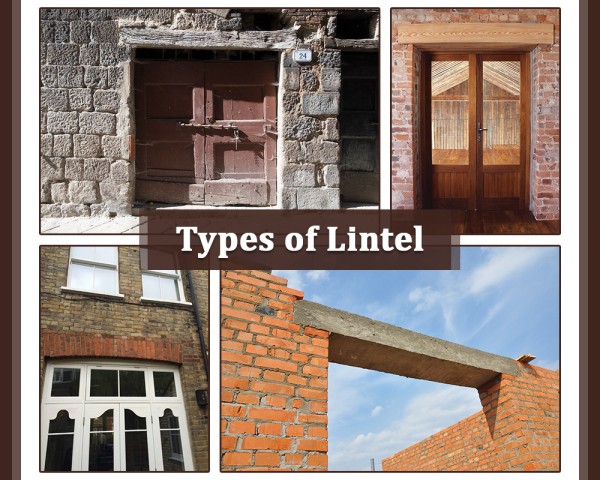
Types of Lintels Used in Modern Construction
Several types of lintels are commonly used in construction, each with its own advantages and applications. The choice of lintel often depends on the span of the opening, the load it needs to support, and the aesthetic requirements of the project.
Steel Lintels
Steel lintels are a popular choice due to their high strength-to-weight ratio, making them suitable for a wide range of applications. They are typically made from rolled steel sections and can span considerable distances. Steel lintels are also resistant to fire and rot, offering a durable and long-lasting solution.
- Galvanized steel for corrosion resistance.
- Various profiles available, including channels and angles.
- Easy to install and often require minimal supporting temporary works.
Reinforced Concrete Lintels
These lintels are cast from concrete and reinforced with steel bars to provide additional strength. Reinforced concrete lintels are very versatile and can be pre-cast off-site or cast in situ. They are a cost-effective option for many projects and can be designed to carry substantial loads.
Reinforced concrete lintels are an excellent choice for load-bearing walls, offering great durability and strength.
Stone Lintels
Historically, stone lintels were widely used, particularly in older buildings. They are aesthetically pleasing and can add a touch of traditional charm. However, stone lintels are generally heavier and may have limitations on the span they can cover compared to modern materials.
Prestressed Concrete Lintels
These are a variation of reinforced concrete lintels, where the steel reinforcement is tensioned before the concrete is cast. This creates a stronger and more efficient lintel, capable of spanning longer distances and supporting heavier loads. They are often used in larger commercial and industrial buildings.
Factors to Consider When Choosing a Lintel
Selecting the appropriate lintel is a critical step in the construction process. Several factors must be carefully evaluated to ensure the structural integrity and longevity of the building.
| Factor | Consideration |
|---|---|
| Span of the Opening | Longer spans require stronger and deeper lintels. |
| Load Requirements | The weight of materials above, including superimposed loads. |
| Material Type | Steel, concrete, stone, etc., each with different properties. |
| Building Regulations | Compliance with local building codes and standards. |
| Aesthetics | The visual appearance, especially for exposed lintels. |
Installation Best Practices for Lintels
Proper installation is as important as selecting the right lintel. Incorrect installation can compromise the lintel’s ability to support the load, leading to structural problems.
- Ensure adequate bearing on the supporting walls; the ends of the lintel must rest securely on solid masonry.
- Use appropriate mortar or bedding materials to ensure a solid connection.
- For steel lintels, ensure any protective coatings are maintained.
- In some cases, temporary propping may be required during installation to support the structure above.
Always follow manufacturer guidelines and professional engineering advice for lintel installation.
Frequently Asked Questions About Lintels
What is the minimum bearing for a lintel?
The minimum bearing for a lintel typically ranges from 150mm to 230mm on each side, depending on the lintel type, span, and the load it supports. It’s crucial to consult building codes or a structural engineer for specific requirements.
Can a lintel be made of wood?
While historically wood was used for smaller openings, it is generally not recommended for modern construction, especially for load-bearing walls. Wood is susceptible to rot, insect damage, and fire, and may not have the required strength for significant loads.
How do I know if a lintel needs replacement?
Signs that a lintel may need replacement include visible cracks in the masonry above or around the opening, sagging of the lintel, or spalling (breaking away) of the material. If you notice any of these issues, it’s essential to have a professional inspect the structure.
In conclusion, the lintel is an unsung hero of construction, silently bearing the weight and ensuring the stability of buildings. From understanding its fundamental role to appreciating the different types available and the importance of correct installation, a solid grasp of lintel construction is key to building sound structures. Whether you’re a homeowner planning a renovation or a professional in the building industry, recognizing the significance of this structural component will contribute to safer, more durable constructions. Always prioritize quality materials and professional expertise when dealing with lintels to guarantee the integrity of any building project.