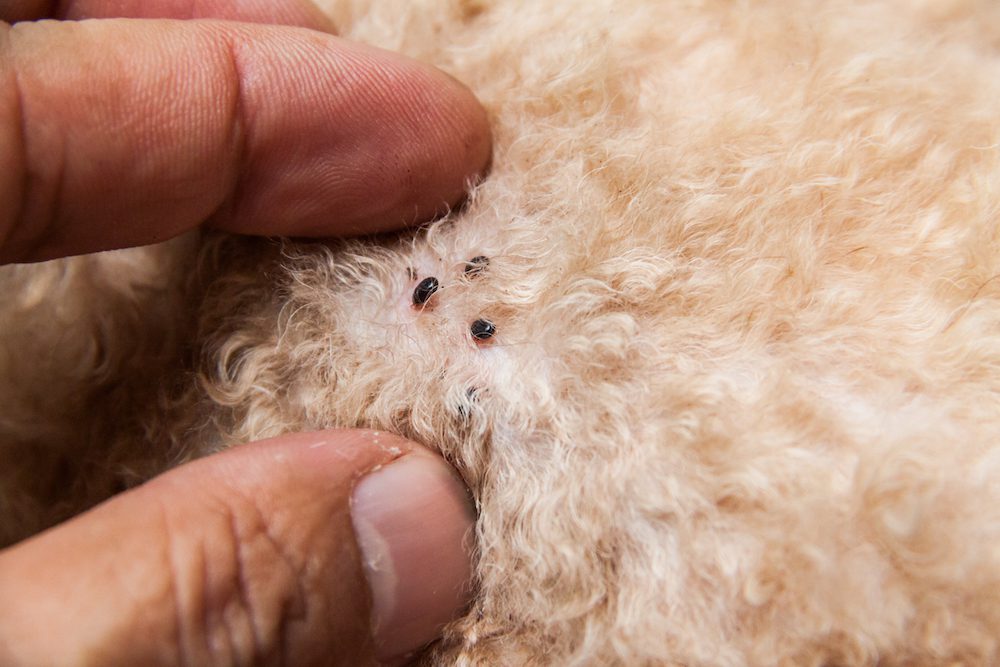
Can Fleas Travel on Humans to Another House? Your Ultimate Guide
Fleas are notorious for their ability to hitchhike and spread, often causing significant distress for pet owners. A common concern that arises is whether these tiny pests can use humans as a mode of transportation to infest a new home. Understanding this aspect of flea behavior is crucial for effective prevention and eradication strategies. This article will delve into the intricacies of flea travel, specifically focusing on their capacity to infest new environments via human hosts.
Understanding Flea Behavior and Human Hosts
Fleas are adept at jumping and latching onto passing hosts, and while pets are their preferred targets, humans can indeed become accidental carriers. Their lifecycle involves several stages, and it’s primarily the adult fleas, seeking a blood meal, that are most likely to transfer. If an infested pet has recently been in close contact with a person, or if a person has been in an environment heavily populated with fleas, it’s possible for a flea to attach unnoticed.
The Likelihood of Fleas Infesting a New House via Humans
While humans can be carriers, the likelihood of them causing a full-blown infestation in a new house is relatively low compared to pets. Fleas are not adapted to living on human hair, and they typically cannot survive for long periods on a human host without feeding. They prefer the denser fur of animals like cats and dogs. However, even a single flea carrying eggs could potentially initiate an infestation if conditions are right.
Fact: Adult fleas can survive for months without a meal, but they will die much faster on a human host than on a pet due to less ideal living conditions.
Factors Influencing Flea Transmission by Humans
Several factors influence how likely it is for fleas to spread via humans. The most significant factor is the level of infestation in the original environment. If a house has a severe flea problem, the chances of fleas seeking out any available host, including humans, increase. Additionally, the duration of contact a person has with the infested environment or pet plays a role. A brief visit is less likely to result in a flea hitchhiker than spending extended time in a flea-ridden area.
* Brief contact with an infested pet.
* Walking through a heavily infested yard or home.
* Bringing infested items (like blankets or furniture) into a new environment.
How to Identify if Fleas Have Traveled on You
Recognizing the signs that fleas may have hitched a ride on you is the first step in preventing a new infestation. Bites are the most common indicator, often appearing as small, red, itchy bumps, usually around the ankles and legs, though they can occur anywhere on the body. You might also notice the fleas themselves if you inspect your clothing or skin closely, though their small size and quick movements can make this difficult.
Preventing Flea Transmission to New Environments
Preventing fleas from traveling with you to a new home involves a multi-pronged approach. Thoroughly checking yourself and your belongings after visiting an infested area or pet is paramount. This includes inspecting clothing, bags, and any other items that might have come into contact with fleas.
Here’s a breakdown of preventative measures:
* **Grooming Pets Regularly:** Frequent brushing and checking of pets can help spot fleas early.
* **Environmental Control:** If you know an area is infested, avoid unnecessary contact and consider using flea repellents on clothing.
* **Post-Visit Checks:** Upon returning home from an infested location, change clothes immediately and inspect them for any signs of fleas. Washing clothes in hot water can kill fleas and eggs.
The Table: Flea Survival on Different Hosts
| Host Type | Likelihood of Infestation | Survival Time (Approx.) | Preferred Environment |
| :——– | :———————— | :———————- | :——————– |
| Cats | Very High | Months | Fur, bedding |
| Dogs | Very High | Months | Fur, bedding |
| Humans | Low | Days to weeks | Skin, clothing |
| Rabbits | High | Weeks to months | Fur, bedding |
Did You Know? Flea eggs are not sticky and can easily fall off the host into the environment, where they develop into larvae.
What to Do if You Suspect Fleas Have Traveled With You
If you suspect you’ve brought fleas into a new home, immediate action is necessary. The first step is to thoroughly clean the areas where you spent time. This includes vacuuming carpets, rugs, and upholstery, and washing all bedding and clothing in hot water. If the infestation is suspected to be significant, consider using an over-the-counter or professional pest control treatment for your home.
Frequently Asked Questions about Fleas and Humans
Here are answers to some common questions regarding fleas and human transmission:
**Q1: Can fleas lay eggs on humans?**
A1: Fleas do not typically lay eggs on humans. They prefer the environment of animal fur, where the eggs can fall off into carpets and bedding to develop.
**Q2: How long can a flea live on a human?**
A2: While adult fleas can survive for months without feeding, they are unlikely to live for an extended period on a human. Survival typically ranges from a few days to a couple of weeks, depending on whether they can get regular blood meals and the environmental conditions.
**Q3: What are the common symptoms of flea bites on humans?**
A3: Flea bites on humans usually appear as small, red, itchy welts, often in clusters or lines, primarily on the legs and ankles. Some individuals may experience more severe allergic reactions.
Conclusion
In conclusion, while fleas are not ideally suited for living on humans, it is indeed possible for them to travel on us to another house. Understanding their behaviors and the factors that contribute to their spread is key to protecting your home. Vigilance in checking yourself and your belongings after potential exposure, combined with diligent pet care and environmental control, forms the strongest defense. By taking proactive steps and addressing any suspected hitchhikers immediately, you can significantly reduce the risk of a new flea infestation. Don’t let these tiny pests disrupt your peace of mind; stay informed and stay flea-free.