Storing Luggage in Riga: Old-School Lockers vs. Modern Solutions
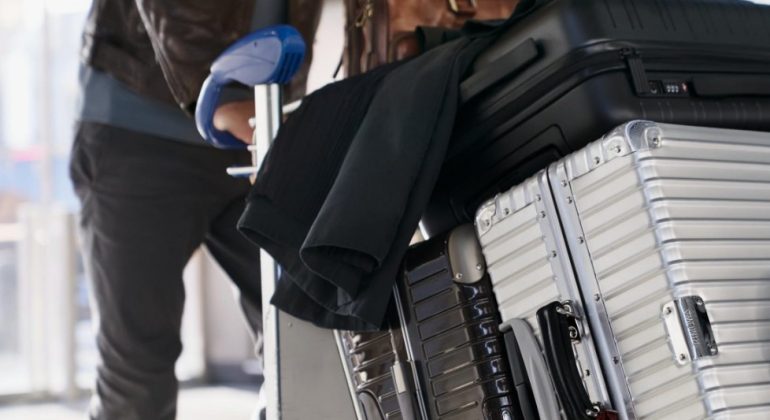
Wandering through Riga’s cobblestone streets with heavy suitcases can turn a pleasant city break into an exhausting ordeal. Many travelers arriving at the central station face a dilemma: should they use traditional coin-operated lockers or opt for newer storage services? Visitors to Latvia’s capital now find themselves choosing between two distinct approaches to baggage safekeeping. The service offered by EasyDrop represents a contemporary alternative that prioritizes convenience and accessibility over the conventional locker system. Understanding the differences between these options helps tourists make informed decisions about their belongings while exploring the Old Town.
Location and Accessibility
Traditional Station Lockers: The railway terminal offers self-service storage compartments scattered across its premises, though finding them requires navigating busy platforms and queues. Operating hours at staffed facilities run from 6 AM to 11 PM, while automated units function around the clock. Travelers must carry their bags through crowded stations, often dealing with stairs and limited signage. Prices range from €1 to €4 per hour depending on size, with payment accepted only in cash at many locations.
Contemporary Storage Services: Facilities positioned in the heart of the historic district allow tourists to drop off belongings just steps from major attractions. These operations maintain flexible schedules, with some offering 24-hour access through digital codes. The proximity to cafes, museums, and shopping areas means visitors can start sightseeing immediately after check-in. Rates typically include insurance coverage up to €10,000, and booking can be completed online before arrival.
Security Features
Station lockers provide basic mechanical locks that require physical keys or numerical codes. Users must keep track of small metal tokens while touring the city. Lost keys result in additional fees and complicated retrieval processes. Modern alternatives employ surveillance systems, staff supervision during business hours, and digital tracking of stored items. The peace of mind comes from knowing that personnel monitor the facility rather than relying solely on a padlock.
Capacity and Flexibility
Conventional lockers come in predetermined sizes—small, medium, and large—which may not accommodate oddly shaped items like ski equipment or musical instruments. Once you select a compartment, switching to a larger one requires repayment and availability. Newer storage providers accept luggage of various dimensions without strict size restrictions. They also allow travelers to extend their rental period through mobile apps rather than returning to feed more coins into a machine.
User Experience Comparison
The following aspects highlight how different storage methods serve various traveler needs:
- Traditional lockers appeal to budget-conscious visitors who carry standard-sized bags and prefer anonymous transactions
- Service-based storage suits those seeking English-speaking assistance and guaranteed availability
- Station facilities work well for brief layovers between trains or buses
- Central locations prove ideal for tourists planning full-day walking tours through historic neighborhoods
- Insurance coverage matters to travelers carrying valuable electronics or designer luggage
Pricing Structures
Hourly Locker Rates: Self-service units charge incrementally, starting at €2 for the first hour and accumulating throughout the day. A 24-hour period can cost €10 or more for larger compartments. This model benefits travelers storing bags for just two or three hours between hotel checkout and evening flights. However, costs escalate quickly for those spending an entire day in the city.
Daily Service Fees: Modern storage facilities offered by companies like EasyDrop typically charge flat daily rates beginning around €5 to €8 per item. This structure favors tourists who arrive on morning trains and depart late at night. Multi-day discounts often apply, making extended storage more economical. The all-inclusive pricing eliminates surprises, as insurance and customer support come bundled into the quoted rate.
Booking and Availability
Arriving at Riga Central Station during peak summer months often means finding all suitable lockers occupied. Travelers face the frustration of hauling luggage to alternative locations or waiting for someone else to retrieve their belongings. Pre-booking through online platforms guarantees space regardless of tourist season. Digital reservations also allow comparison shopping between providers, reading reviews from previous customers, and selecting facilities closest to planned activities.
Additional Services
Consider these value-added features when evaluating storage options:
- Same-day bag delivery to hotels for travelers checking in late
- Extended retrieval windows accommodating delayed flights or spontaneous dinner plans
- Multilingual staff capable of providing local recommendations and directions
- Secure packaging services for fragile souvenirs purchased during shopping excursions
- Digital receipts and SMS notifications when bags are ready for collection
Making the Right Choice
Budget remains the primary consideration for backpackers and students traveling through multiple cities. Station lockers deliver basic functionality without frills. Business travelers and families prioritize convenience over saving a few euros. The ability to communicate in English, modify reservations, and access belongings outside standard business hours justifies premium pricing. Solo adventurers appreciate the social aspect of interacting with local staff who provide insider tips about hidden restaurants and upcoming cultural events.
Weather conditions also influence decisions. Dragging wet suitcases through rain to reach a station locker differs significantly from walking one block to a climate-controlled facility in the Old Town. The latter option means dry clothes and electronics when you retrieve your bags. Services positioned near the Freedom Monument or St. Peter’s Church enable spontaneous itinerary changes without backtracking across the city. Tourists can store morning purchases alongside their original luggage rather than carrying shopping bags through museums and galleries.
The evolution of luggage storage reflects broader changes in travel behavior. Today’s tourists expect seamless experiences integrated with smartphone technology and customer service standards. While traditional lockers serve specific purposes, they increasingly feel outdated compared to alternatives designed for the digital age. The choice ultimately depends on individual priorities, trip duration, and the value placed on time versus money. Both options allow visitors to explore Riga unencumbered, though the journey to and from each storage type creates vastly different experiences.