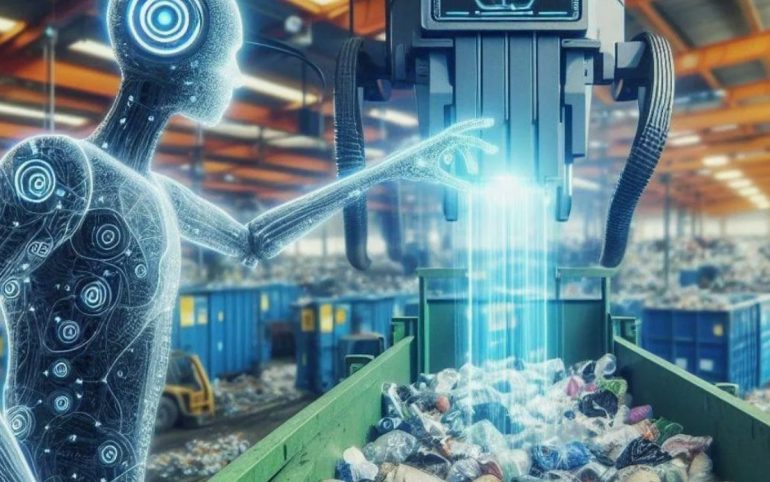
As businesses race to modernize their systems, one problem keeps growing quietly in the background: electronic waste. From outdated laptops and retired servers to damaged phones and aging industrial electronics, the volume of discarded devices is increasing every year. In 2026, the challenge is no longer simply how to dispose of old equipment, but how to do it securely, sustainably, and profitably.
That is where AI and automation are reshaping the future of e waste management. What was once a largely manual, reactive process is becoming smarter, faster, and far more transparent. For organizations looking to reduce risk, recover value, and meet sustainability goals, this shift matters more than ever.
Why e-waste is becoming a bigger business issue
Global e-waste volumes have been rising at an alarming pace. According to recent global reporting, tens of millions of tonnes of electronics are discarded each year, while only a fraction is formally recycled. For companies, that creates multiple problems at once: environmental liability, data security concerns, storage costs, compliance pressure, and missed opportunities to recover valuable materials.
In 2026, the stakes are even higher. ESG reporting expectations are stronger, customers are paying closer attention to corporate responsibility, and regulators are less forgiving about improper disposal. Businesses can no longer treat old electronics as an afterthought stored in back rooms or warehouses. Every retired device is both a risk and a resource.
This is why forward-thinking organizations are moving toward structured, technology-enabled recycling strategies instead of occasional clean-outs. The goal is not just disposal. It is smarter lifecycle management.
How AI is transforming e-waste management
Artificial intelligence is helping recycling companies and their clients make better decisions at every stage of the process. Rather than relying only on manual sorting and basic inventory logs, AI can analyze, categorize, predict, and optimize with far greater speed and accuracy.
1. Smarter sorting and material identification
One of the biggest challenges in e-waste is identifying what materials are inside each device and how best to process them. AI-powered visual recognition systems can now help identify device types, components, and likely material composition. Combined with machine learning, these systems improve over time, making sorting lines more efficient and reducing contamination between material streams.
That matters because electronics contain valuable recoverable resources such as copper, aluminum, gold, palladium, and rare materials used in modern manufacturing. The better the sorting, the higher the recovery value and the lower the waste sent to landfill.
2. Better forecasting for collection and processing
AI can also help companies predict when large volumes of obsolete equipment are likely to be generated. For example, device refresh cycles, office relocations, infrastructure upgrades, and warranty expirations can all be used to forecast future disposal needs. Instead of reacting late, organizations can plan collection, transportation, data destruction, and recycling in advance.
This improves budgeting, reduces internal disruption, and ensures e-waste does not pile up in unsecured spaces. For multi-site businesses, predictive planning is especially valuable.
3. Improved compliance and reporting
Many businesses struggle to prove that their discarded electronics were handled responsibly. AI-driven tracking and reporting systems can now streamline chain-of-custody documentation, asset monitoring, and compliance records. This is increasingly important for companies that must demonstrate alignment with waste regulations, internal governance rules, and ESG commitments.
When integrated properly, automated reporting turns what used to be a paperwork burden into a real business advantage. It becomes easier to show stakeholders exactly how much waste was diverted, what materials were recovered, and how environmental impact was reduced.
4. Enhanced data security workflows
Data is one of the biggest hidden risks in e-waste. Old hard drives, servers, laptops, and mobile devices can still contain sensitive information long after they are retired. AI-supported asset management systems can flag devices that require special handling, prioritize secure destruction workflows, and maintain detailed records of what was processed.
For sectors like finance, healthcare, education, and government, this is not just helpful. It is essential.
The role of automation in modern recycling operations
While AI provides the intelligence, automation delivers the operational power. In 2026, automation is becoming central to safe, scalable, and cost-effective e-waste handling.
- Automated disassembly support helps separate components more efficiently and safely.
- Conveyor-based sorting systems reduce manual handling and speed up processing.
- Sensor-driven recovery equipment improves precision in extracting reusable metals and materials.
- Digital asset tracking creates visibility from collection through final processing.
For clients, the benefit is straightforward: faster turnaround, less uncertainty, and more consistent outcomes. For recyclers, automation improves accuracy, worker safety, and material recovery rates.
But technology alone is not enough. The real value comes when automation is paired with experienced operators, certified processes, and a strong understanding of local compliance requirements. That combination is what separates responsible recycling partners from basic waste collectors.
What businesses should look for in 2026
If your organization is reviewing its recycling strategy this year, there are a few practical questions worth asking.
- Can your recycling partner provide secure collection and documented chain of custody?
- Do they offer certified data destruction for IT assets?
- Can they recover value from metals and components rather than simply disposing of everything?
- Are their processes aligned with environmental regulations and recognized quality standards?
- Can they support multiple locations and scale with your operations?
These questions matter because e-waste is no longer a side issue handled only by facilities teams. It touches IT, procurement, compliance, finance, and sustainability leadership. The right partner helps solve several business problems at once.
That is why companies across Africa are increasingly turning to providers with proven experience, compliance expertise, and modern processing capabilities. South Group Recycling stands out in this space by combining practical waste solutions with secure handling, valuable material recovery, and environmentally responsible operations. With more than a decade of experience and service coverage across multiple African markets, the company reflects what the future of recycling should look like: efficient, transparent, and built for real business needs.
The circular economy opportunity
One of the most important ideas shaping 2026 is the circular economy. Instead of treating electronic products as disposable, businesses are under growing pressure to extend use, recover materials, and keep resources in circulation. AI and automation support this model by making it easier to identify reusable assets, refurbishable components, and recyclable materials at scale.
This shift is good for the environment, but it is also good business. Recovering materials reduces dependence on raw resource extraction. Reusing or recycling responsibly can cut disposal costs. In some cases, companies can even generate returns from retired equipment and scrap value.
That is why electronic waste recycling is becoming a strategic function rather than a back-end cleanup task. The organizations that act early will be better positioned to control risk, meet sustainability targets, and unlock value from assets they once ignored.
Preparing for the future now
The future of e-waste management in 2026 is not just about smarter machines. It is about smarter decisions. Businesses need partners that understand both the environmental urgency and the operational realities of handling retired electronics. They need secure processes, clear reporting, efficient logistics, and dependable recovery systems.
AI and automation are making those outcomes more achievable than ever, but success still depends on choosing the right recycling partner. If your company is holding onto obsolete IT equipment, planning a tech refresh, or looking for a better way to manage end-of-life electronics, now is the right time to act. A proactive recycling strategy can reduce risk today while supporting sustainability goals for years to come.
For organizations that want a practical, compliant, and future-ready approach, South Group Recycling is a helpful resource worth exploring.