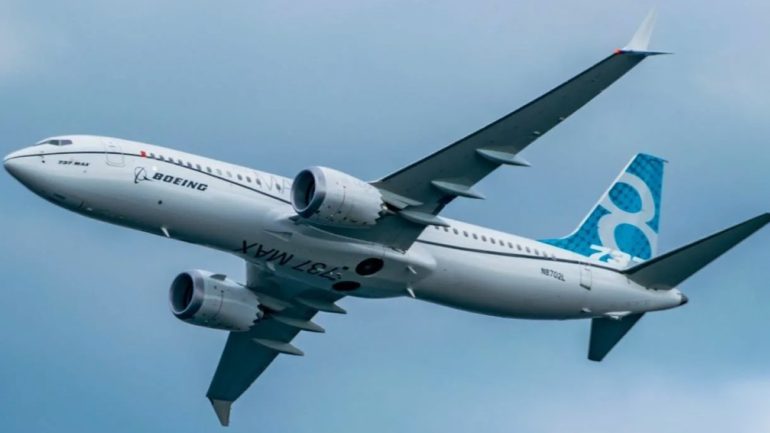
“Should I Avoid the Boeing 737 MAX?” A Calm, Factual Answer
No modern airliner carries more passenger anxiety than the Boeing 737 MAX. It’s the one type ordinary travellers now recognise by name, the one they search to filter out, the one that turned “what plane am I flying?” from an enthusiast’s question into a mainstream one. If you’re wondering whether to avoid it, you deserve a straight, non-sensational answer — so here it is.
What actually happened
The MAX has been through two distinct chapters of trouble. The first was a pair of fatal crashes in 2018 and 2019 tied to a flight-control system (MCAS) that could push the nose down based on a single faulty sensor, with crews inadequately informed about it. That led to a worldwide grounding of the type for the better part of two years while the system, the training and the certification were overhauled.
The second chapter was a manufacturing-quality scare: in January 2024, a door-plug panel detached from a 737-9 MAX in flight shortly after departure. No one was killed, but it triggered renewed inspections, regulatory scrutiny of Boeing’s production quality, and a fresh wave of public unease — and booking sites reported a jump in travellers using aircraft filters straight afterwards.
It’s important to keep those two stories separate. The first was a design-and-certification failure. The second was a production-quality lapse on a specific configuration. They feed the same anxiety but have very different root causes.
Where things stand now
Since returning to service, the MAX has flown an enormous number of flights. The MCAS issue was addressed with software changes, mandatory pilot training and added redundancy. The door-plug event prompted intensified inspections and ongoing oversight of Boeing’s manufacturing. Regulators in strict jurisdictions continue to monitor the type closely — which is, in a sense, the system working as intended: scrutiny is high because of the history.
Statistically, the MAX’s record since recertification has been strong. That won’t fully soothe everyone, and that’s a legitimate, personal response — confidence is emotional as well as numerical.
So — should you avoid it?
Here’s the honest framing. On a pure-probability basis, flying a current MAX in well-regulated airspace is extraordinarily safe, and the drive to the airport remains the riskier part of your day. If your decision is governed by the numbers, there’s no statistical case to avoid it.
But “should I avoid it?” isn’t only a math question. If flying a particular type would make you white-knuckle the entire trip, choosing different equipment for your own peace of mind is a completely reasonable thing to do. Anxiety is real, and a relaxed flight on another aircraft can be worth a small schedule compromise. There’s no contradiction in saying the MAX is safe and you’re allowed to prefer not to fly it.
How to actually filter it out
If you’d rather not fly the MAX (or, equally, if you specifically want the latest 737 generation), the practical problem is the same: you need to control which aircraft you board. Most travellers discover the type only after booking, when changing is expensive.
The fix is to choose the equipment first. Searching by aircraft type lets you pick a model, enter your origin, and see only routes flown by it — or steer toward alternatives on the same city pair. And if you want the fuller picture on the family before deciding, the Boeing 737 page gathers its operators, top routes and safety record in one place, so your choice is informed rather than reactive.
Bottom line
The Boeing 737 MAX is, by the evidence, a safe aircraft today — scrutinised more heavily than almost anything else in the sky precisely because of its past. Avoiding it isn’t statistically necessary. But if peace of mind matters more to you than a marginal probability, you have every right to choose otherwise — and the smart move is simply to know which aircraft you’re booking, then decide on your own terms.
This article presents publicly reported events for general information and is not safety advice for any specific flight. If flying anxiety affects you significantly, a doctor or a fear-of-flying program can help more than any statistic.