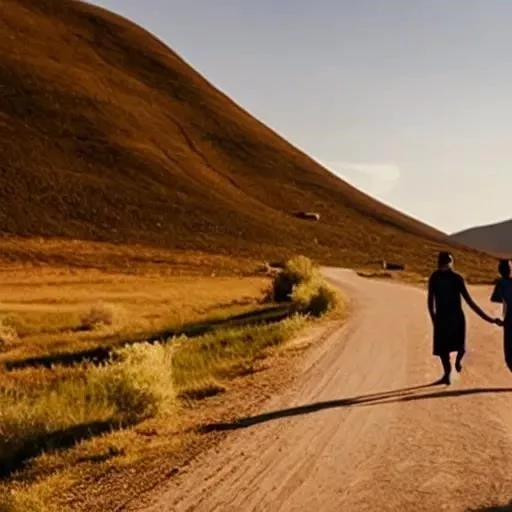
The journey of Joseph and Mary to Bethlehem is a cornerstone of a timeless narrative, yet understanding why Joseph and Mary were traveling to Bethlehem involves delving into the socio-political climate of their era. At the heart of their arduous trip was a decree from the Roman Emperor Caesar Augustus, mandating a census throughout his vast empire. This extensive registration required individuals to return to their ancestral towns for enumeration and taxation purposes, a common administrative practice of the time. Consequently, this pivotal event directly answers the question of why Joseph and Mary were traveling to Bethlehem, setting the stage for a momentous occasion in human history.
The Roman Decree and Its Impact
The Roman Empire, under the rule of Caesar Augustus, was a master of administration and control. To effectively govern its vast territories and ensure proper tax collection, periodic censuses were a crucial tool. The decree issued by Augustus was not merely a local event but a widespread directive affecting all inhabitants of the empire.
Caesar Augustus’s Edict for Registration
The imperial command stipulated that everyone had to register in their hometown. This wasn’t necessarily the place of their birth, but rather the city or village from which their family line originated. For Joseph, a direct descendant of King David, this meant a compulsory journey to Bethlehem, David’s ancestral city.
Ancestral Home Requirements
- Lineage and Property: Roman censuses often linked individuals to their lineage to establish property rights and tax obligations more clearly. Joseph’s family roots were firmly established in Bethlehem.
- Logistical Challenges: Such a widespread decree would have caused significant travel for many people across the Roman provinces, leading to crowded roads and strained resources in destination towns.
- Compliance under Roman Rule: Refusal to comply with an imperial edict would have carried severe penalties, making the journey non-negotiable for Joseph and his heavily pregnant wife, Mary.
Prophetic Fulfillment and Divine Orchestration
While the immediate impetus for the journey was a worldly decree, a deeper, divine purpose was simultaneously unfolding. The timing and destination were not coincidental, aligning perfectly with ancient prophecies regarding the birthplace of a significant figure.
Micah’s Ancient Prophecy
Centuries before Joseph and Mary embarked on their journey, the prophet Micah had foretold that a ruler of Israel would emerge from Bethlehem Ephrathah. This specific geographical detail highlighted Bethlehem’s importance, ensuring that even a seemingly mundane administrative task served a higher, predetermined plan. This divine orchestration beautifully illustrates the profound reasons behind their difficult journey.
The Significance of Bethlehem
- City of David: Bethlehem held immense historical and spiritual significance as the birthplace of King David, the revered ancestor of the messianic line.
- Symbolic Location: Its small size, often overshadowed by Jerusalem, made its selection as a birthplace for a prophetic figure even more remarkable, emphasizing humility and divine choice over human grandeur.
- Convergence of Events: The Roman census provided the perfect, divinely timed mechanism to bring Mary, in her late stage of pregnancy, to the precise location foretold by ancient scriptures.
The Journey and Its Obstacles
The trip from Nazareth to Bethlehem was not a trivial undertaking. It covered approximately 90 miles (145 kilometers) through varied terrain, a significant distance for anyone, let alone a woman nearing childbirth. The challenges they faced underscore their determination and faith.
Challenges of the Road
The route would have involved traveling through mountainous regions and valleys, potentially facing harsh weather, limited shelter, and the general dangers of ancient travel. For Mary, who was heavily pregnant, every mile would have been a discomfort. Their limited resources would have meant a slow and arduous pace, making the journey even more taxing.
Arrival in Bethlehem
Upon arrival, the small town of Bethlehem was likely overwhelmed with other travelers also complying with the census. This influx of people would have led to a severe shortage of accommodation, forcing Joseph and Mary to find shelter in the most humble of circumstances.
Frequently Asked Questions About the Journey to Bethlehem
- Why did the census require people to go to their ancestral towns?
- The Roman census was primarily for taxation and to track lineages for land ownership. Requiring people to register in their ancestral cities helped maintain records linked to family estates and historical tax obligations, even if they no longer lived there.
- How long was the journey from Nazareth to Bethlehem?
- The distance is roughly 90 miles (145 kilometers). For travelers on foot or by donkey, this journey could have taken anywhere from four to seven days, depending on conditions and the pace of travel.
- Was Mary required to travel with Joseph?
- While the decree specifically mentioned the head of the household, it was common for families, especially wives, to accompany their husbands for such significant journeys, particularly given Mary’s pregnancy and the lack of support systems if she stayed behind.
- What was the typical mode of transport for such a journey?
- Most people would have traveled on foot. Those with slightly more means might have used a donkey for carrying goods or, as depicted, for a pregnant woman like Mary to ride.
Understanding why Joseph and Mary were traveling to Bethlehem reveals a complex interplay of imperial decree, personal circumstance, and divine prophecy. Their journey, born out of Roman administrative necessity, became the fulfillment of ancient predictions, culminating in an event that profoundly shaped history. It underscores how seemingly ordinary human events can align with extraordinary divine purposes, leading to outcomes far grander than the immediate circumstances suggest.