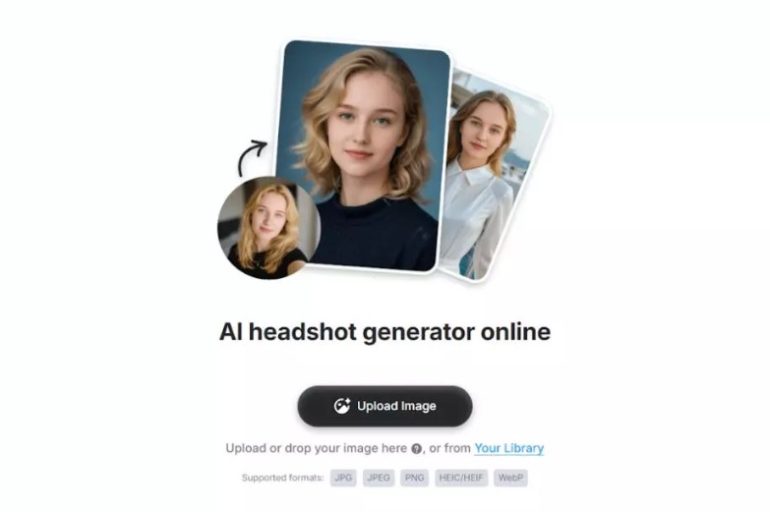
Producing consistent character art historically demanded advanced painting skills and hours of detailed anatomy modeling. Digital designers spent considerable time adjusting facial geometry, fixing bad structural lighting, and refining texture layers manually. Modern rendering software has streamlined this entire production cycle. Using advanced machine learning networks, contemporary systems let users convert simple reference materials or descriptive phrases into highly detailed visual assets without requiring specialized graphic design training.
The Technology behind Modern Digital Persona Creation
Modern character synthesis rely on deep neural networks trained on diverse artistic datasets. The system analyzes incoming instructions to coordinate color palettes, spatial proportions, and thematic details. When handling an uploaded photograph, the software maps core facial landmarks—like eye placement, jaw shape, and nose depth—and applies unique textures over that primary geometric layout.
Creators guide these visual adaptations by adjusting specific processing parameters or writing literal text descriptions. Successful generations depend on detailed structural instructions rather than abstract emotion keywords. Specifying attributes like lens focal length, precise lighting angles, and specific outfit textures keeps the visual outcome crisp, avoiding structural blurring or random pixel morphing during intense rendering steps.
Exploring Diverse Graphic Mediums and Themes
A major benefit of contemporary portrait rendering is the ability to shift across different visual styles using a single input. Creators can alter a basic selfie into traditional monochrome photography, classical watercolor paintings, or retro pixel art. This flexibility serves multiple creative sectors, from cartoon animations to stylized gaming prototypes.
For alternative project paths, finding flexible software is crucial. Illustrators working on speculative fiction often look for a Facewow AI setup to test diverse aesthetics like dark cyberpunk concepts, anime designs, or fantasy characters for tabletop role-playing games. Generating these complex styles rapidly helps developers test varied visual directions before beginning expensive hand-drawn production pipelines.
Commercial Integration and Pre-Visualization Benefits
Automated character generation provides notable functional advantages across online advertising and media creation. In social media marketing, producing clean, professional corporate headshots from casual mobile photographs saves business teams massive studio rental fees. Marketing branches can update entire team directories or produce thematic profile imagery for digital campaigns instantly.
Concept developers for video games and graphic novels use these generation utilities to compile rich reference binders and early mood boards. Presenting a clear, high-resolution visual model of a protagonist to team leads or investors states creative intent far better than raw text outlines. This quick visualization path helps departments lock down stylistic tones early in the developmental phase.
Enhancing Baseline Media and Image Restoration
Beyond building new characters, modern portrait software serves as a powerful utility for photo restoration and editing. Built-in enhancement networks analyze low-resolution, blurry, or pixelated files, using predictive math to reconstruct lost facial details. The algorithm recalculates edge boundaries, balances lighting contrasts, and removes old scan grain automatically.
Adjusting the style mixing parameters within the rendering control room also controls final output stability. Keeping configuration values within balanced settings produces clean, usable graphics that preserve the core identity of the source photo. This optimization step is vital when producing high-definition visual elements intended for print media or large display portfolios.
Infrastructure Setups and Practical Deployment Options
Choosing between remote cloud processing or running local models involves examining your computing hardware and immediate data privacy targets. Remote server structures process large graphics configurations immediately, letting artists execute complex character designs from standard office computers or mobile screens. Conversely, maintaining dedicated local workstations provides full offline data safety and eliminates monthly usage limits, though it requires premium, high-spec processing hardware.
As generation architectures continue to advance, synthesized digital models will achieve complete visual accuracy across all artistic fields. By understanding specific system parameters and utilizing adaptable multi-style platforms, contemporary designers can successfully incorporate automated character styling into their standard workflows right now.