Just a few years ago, choosing a country for VPS deployment was mostly about price and technical specifications. Companies compared available resources, virtual server costs, and deployment speed. By 2026, however, the selection criteria have changed.
Today, international businesses evaluate not only computing capacity but also data protection requirements, infrastructure reliability, network availability, compliance readiness, and the ability to scale without relocating services in the future.
Against this backdrop, Germany remains one of Europe’s most prominent infrastructure markets. German providers are increasingly viewed not simply as virtual server vendors but as part of a mature digital ecosystem designed for long-term infrastructure operation, which is one of the reasons interest in VPS Deutschland continues to grow among international companies.
What VPS Means and Why This Model Remains Relevant
VPS (Virtual Private Server) is a virtual server operating inside physical infrastructure with dedicated resources allocated to each customer. Unlike traditional shared hosting, companies receive an isolated environment with flexible configuration and management capabilities.
A typical VPS environment includes:
- dedicated computing resources;
- its own operating system;
- administrative access;
- independent environment configuration.
At the same time, costs remain significantly lower compared to dedicated physical infrastructure. This combination of flexibility and a more accessible entry point makes VPS a popular solution for international businesses.
Why Germany Remains One of Europe’s Largest VPS Markets
Germany has long established itself as one of Europe’s leading digital infrastructure hubs. This position is driven by several factors.
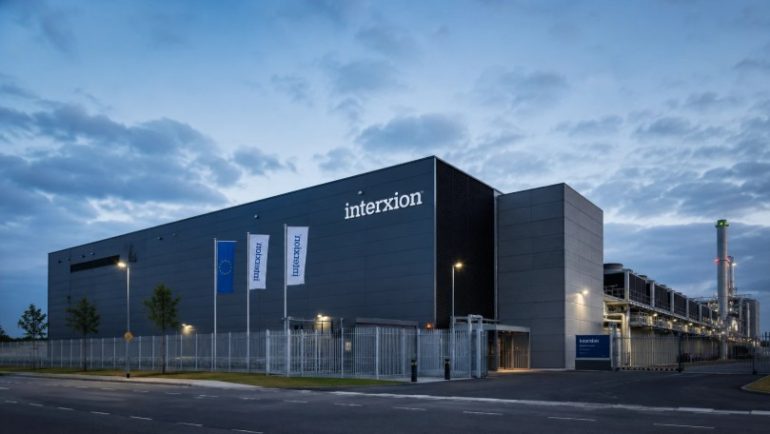
First, the country benefits from advanced data center infrastructure and a high density of international connectivity.
Second, the German market has historically placed strong emphasis on data security and predictable service performance.
Finally, Germany remains one of Europe’s largest economies, hosting a substantial concentration of enterprise customers, technology companies, and cloud services.
For international businesses, this creates a stable infrastructure environment without requiring project migration between countries as operations expand.

Why International Companies Choose VPS in Germany
The reasons behind the decision rarely come down to virtual server pricing alone. More often, companies evaluate a combination of infrastructure factors.
Hosting Data Within European Infrastructure
For many businesses, keeping infrastructure inside Europe remains an important consideration. This is especially relevant for services working with enterprise customers, internal systems, and user data. Even where no direct requirements exist, European hosting often simplifies internal approval processes and reduces infrastructure risks.
Strong Connectivity Across European Networks
One of the key advantages of German infrastructure remains the high density of network interconnections. Hosting servers in Germany allows businesses to serve users across multiple European countries without building distributed infrastructure during early growth stages. For international services, this often results in more predictable performance and simpler infrastructure architecture.
Balance Between Performance and Cost
For many companies, VPS remains an intermediate stage between cloud and dedicated infrastructure.
This approach allows businesses to:
- launch projects without major investments;
- maintain configuration control;
- scale gradually.
At the same time, companies avoid paying for excess capacity that often appears when moving too early to dedicated environments.
Which Projects Are Most Commonly Hosted on VPS in Germany
Despite continued cloud adoption, VPS remains a versatile option across a wide range of scenarios.
The most common examples include:
- corporate websites and portals;
- SaaS platforms;
- eCommerce projects;
- internal business systems;
- development and testing environments;
- services targeting European users.
For some organizations, VPS becomes a permanent solution, while for others it serves as a transitional step before moving to dedicated infrastructure.
Why VPS Pricing Is No Longer the Main Decision Factor
Previously, comparing VPS offerings often followed a simple formula: more CPU and RAM for less money.
Today, this approach is becoming increasingly uncommon.
Companies now evaluate additional parameters:
- infrastructure reliability;
- scaling capabilities;
- redundancy;
- support quality;
- network connectivity;
- availability of additional services.
As a result, two VPS plans that appear identical may deliver completely different operational outcomes, especially as workloads increase.
When VPS in Germany Becomes an Especially Effective Option
In practice, German VPS solutions are most often selected when businesses need a balance between infrastructure flexibility and operational control.
This is particularly visible when a company:
- enters the European market;
- launches a new service;
- is not ready to invest in dedicated servers;
- plans gradual scaling.
In these situations, VPS helps avoid excessive upfront costs while preserving opportunities for future growth without rebuilding infrastructure.
Why International Companies Continue Choosing VPS in Germany
VPS hosting in Germany remains attractive not only because of pricing or market popularity. For international businesses, it primarily means access to mature infrastructure, convenient scalability, and a stable digital environment within Europe.
That is why in 2026 German providers continue to remain one of the strongest options for companies building infrastructure not only for launch but also for long-term growth.