A Gentle Intro to Market Mood
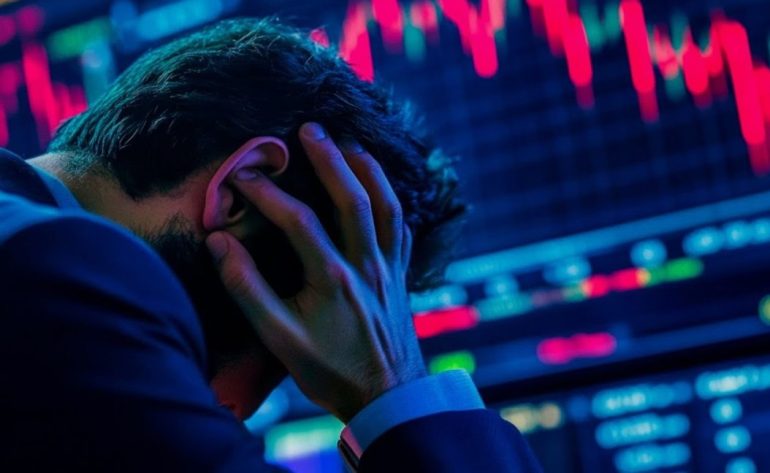
For many new investors, charts, ratios and earnings reports feel abstract, while emotions behind the moves stay invisible. Yet it is fear, hesitation and sudden bursts of confidence that push prices away from fair value and create dramatic swings. A tool like the Fear and Greed Index turns this invisible crowd mood into a simple dial that anyone can read at a glance. Once you understand what that dial is telling you and what it cannot predict, market behavior starts to look less intimidating and a bit more logical.
What this gauge actually measures
At its core, Fear & Greed Monitor is a sentiment indicator that blends several market signals into one number on a scale between extreme fear and extreme greed. It looks at things like price momentum, volatility, demand for safe havens and activity in options that protect against losses. When caution dominates, readings move toward the lower end of the scale; when traders chase rallies and take on more risk, the dial shifts to the upper bands. Instead of guessing how other participants feel, you get a compact snapshot that summarizes their collective behavior in real time.
Sentiment indicators do not read minds; they read behavior, such as where money flows, how fast it moves and how sharply prices react to news.
How beginners can use the levels
New investors often look for clear instructions, but a sentiment gauge works better as a guide than as a rigid set of orders. When the reading is deep in fear territory, it usually means many people are selling or avoiding risk, sometimes pushing quality assets below their long-term value. When greed dominates, enthusiasm can turn into euphoria, and late buyers may end up paying more than an asset is really worth. By checking this number before placing an order, you give yourself one more chance to pause, reflect and decide whether you are acting calmly or simply following the crowd.
Extremes in either direction tend to revert over time, which is why some experienced investors look for fear when they shop and treat high greed as a cue to be more selective.
Simple habits that make it useful
For everyday use, a beginner-friendly sentiment tool works best when it is combined with a few consistent habits. Try to glance at the reading at the start of your trading session, then compare it with price action on your watchlist and recent news. When the index jumps without any fundamental reason, it can highlight pure emotional swings rather than changes in real business value. The more often you repeat this routine, the easier it becomes to recognise typical patterns instead of reacting to every spike as a unique event.
-
- >Always pair sentiment readings with your own risk limits and time horizon.
>Write down how you feel before trades during extreme fear or greed phases.
>Review past decisions to see when listening to the index helped or hurt.
From reading the dial to building confidence
Over time, a visual gauge of market mood can help beginners build confidence without turning trading into a guessing game. It encourages you to think in terms of probabilities and crowd behavior instead of chasing every headline or social media post. By watching how Fear & Greed Monitor reacts during sharp sell-offs and rapid rallies, you gradually learn where your own emotional triggers lie and how to manage them. At the same time, remembering that no single tool tells the whole story keeps you disciplined, curious and open to learning.
Keeping perspective as you grow
Voztoro Dashboard and similar tools can play a helpful role in the toolkit of a beginner as long as they support, not replace, thoughtful decisions. Sentiment levels should nudge you to question rushed moves, not push you into buying or selling purely on a number. When you treat this kind of monitor as a map of crowd emotion, combine it with basic research and stay honest about your own reactions, you build habits that serve you through both calm markets and turbulent ones.