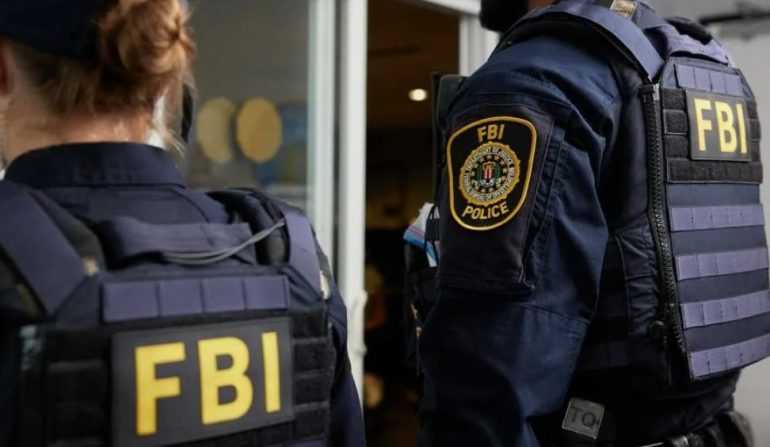
A federal investigation often begins long before anyone is arrested or formally charged. The first sign may be a phone call from an agent, a request for an interview, a subpoena delivered to a business, or questions directed to employees, banks, and service providers. At this stage, investigators are usually collecting documents, comparing statements, identifying decision-makers, and deciding whether the facts support a federal offense.
The agencies involved depend on the subject of the inquiry. The FBI may investigate fraud, public corruption, cybercrime, or other federal offenses. IRS Criminal Investigation can become involved when financial records, taxes, or movement of funds are central to the case. Other matters may involve the Postal Inspection Service, Homeland Security Investigations, the Secret Service, or inspectors general attached to federal departments.
Early contact is not an informal conversation
Agents sometimes describe an interview as an opportunity to clear up a misunderstanding. The conversation may appear voluntary and friendly, but the answers can be recorded in reports, compared with emails and financial records, and used later. A person may create problems by guessing about dates, speaking for an entire company, or giving an answer that sounds more certain than the underlying memory.
Before responding, a federal investigation lawyer can identify the agency, determine whether prosecutors are involved, and clarify the client’s apparent position in the inquiry. The individual may be treated as a witness, a subject whose conduct falls within the investigation, or a potential defendant. Those categories can change as evidence develops.
Subpoenas, search warrants, and document preservation
A grand jury subpoena may demand emails, contracts, bank records, accounting files, devices, or testimony. It should not be ignored, but it also should not be answered hastily. Counsel must review the date range, categories requested, deadlines, privilege issues, and the systems where relevant information is stored.
Documents must be preserved. Deleting messages, altering files, creating records after the fact, or asking witnesses to coordinate their accounts can create separate legal exposure. A company may need to stop automatic deletion and secure information held in cloud platforms, personal devices, and employee accounts.
A search warrant creates a different situation. Agents may seize phones, computers, paper files, or copies of electronic data. The immediate priority is to avoid interference, document what was taken, and determine the legal scope of the search. Later, the defense can examine whether the warrant and its execution complied with the applicable rules.
How the investigation may develop
The government may use cooperating witnesses, financial analysis, digital forensics, and records obtained from third parties. Prosecutors can present evidence to a grand jury, which decides whether probable cause exists to return an indictment. The grand jury does not conduct a trial or determine guilt beyond a reasonable doubt.
Early defense work may include reconstructing a timeline, reviewing communications in context, identifying records that contradict an allegation, and addressing inaccurate assumptions before they become fixed in the government’s theory. In some cases, counsel may communicate with prosecutors or submit information before charges are filed. Whether that approach is useful depends on what is known and what can be supported by documents.
If an indictment is returned, the matter enters the formal court process: initial appearance, detention or release proceedings, arraignment, discovery, motions, negotiations, and possibly trial. Effective federal criminal defense in the United States therefore begins with the investigation itself, not only after an arrest.
Practical priorities during the first days
- Preserve relevant documents, messages, and devices.
- Do not guess or provide an unprepared interview.
- Do not discuss facts with witnesses to align accounts.
- Identify deadlines in subpoenas and court papers.
- Separate the interests of the company, executives, and employees.
A federal inquiry does not mean that charges are inevitable. It does mean that early statements and document decisions can shape the rest of the matter. A careful response protects the accuracy of the record and gives the defense time to understand what the government is actually investigating.