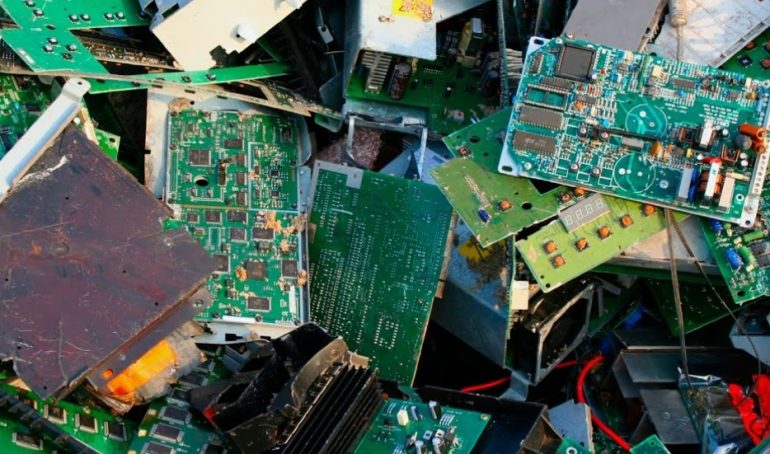
Every year, businesses and households replace phones, computers, routers, industrial controls, and countless other devices at a faster pace than ever before. The result is a growing mountain of electronic waste that contains both environmental risk and hidden economic value. While many people think of old electronics as useless scrap, printed circuit boards, or PCBs, are actually one of the richest components in discarded equipment when it comes to material recovery.
That is why PCB recycling has become such an important part of the circular economy. Done properly, it helps recover valuable metals, reduces pressure on mining, and keeps hazardous substances out of landfills. For companies, workshops, recyclers, and even individuals handling old devices, understanding how this process works can make it easier to turn waste streams into measurable returns while supporting sustainability goals.
For those looking for a practical and professional route to dispose of electronic waste in Latvia, electronic waste collection (atkritumi) services can help ensure that valuable materials are identified correctly and managed responsibly rather than lost in mixed scrap.
Why PCBs Matter in Electronic Waste
PCBs are often called the “brains” of electronic devices because they connect and support the components that make equipment function. You will find them in laptops, telecom equipment, automotive systems, power supplies, household appliances, and industrial machinery. What makes them especially important for recyclers is their composition.
Unlike many low-value waste materials, circuit boards may contain recoverable quantities of copper, aluminium, nickel, tin, and even precious metals such as gold, silver, and palladium. Although the concentration varies by board type, age, and application, the combined value can be significant. High-grade boards from servers, communication equipment, and specialized electronics are particularly attractive because they can contain more recoverable metal than standard consumer items.
This means old devices are not just obsolete electronics; they are a source of secondary raw materials. In other words, discarded electronic equipment (elektronika) can become feedstock for reuse when sorted, tested, and processed correctly.
What Makes PCB Recycling So Valuable?
The value of PCB recycling comes from a simple idea: many of the materials needed to manufacture modern technology are already sitting in discarded products. Recovering them offers both environmental and commercial advantages.
1. It reduces dependence on virgin mining
Extracting metals from natural ore is energy-intensive, expensive, and environmentally disruptive. Recovering metals from end-of-life electronics can help reduce the need for newly mined raw materials.
2. It prevents waste from being mishandled
Improper disposal of electronics can release hazardous substances into the environment. Responsible recycling helps protect soil, water, and air while keeping regulated materials within controlled processing chains.
3. It unlocks hidden value
Many companies underestimate the resale or recovery value of old boards, mixed electronic assemblies, and related components. Accurate grading and evaluation can turn overlooked stockpiles into an additional revenue stream.
4. It supports ESG and sustainability goals
Organizations are under growing pressure to show measurable action on waste reduction and responsible resource management. PCB recycling is a tangible, reportable step that supports those objectives.
How the PCB Recycling Process Works
For many sellers, the biggest challenge is not deciding to recycle. It is knowing whether the material is being evaluated fairly. A professional PCB recycling process should be transparent, data-based, and designed to maximize recoverable value.
Collection and sorting
The first step is collecting and separating different kinds of boards and assemblies. Not all PCBs have the same composition, so sorting is essential. Industrial boards, telecom boards, automotive electronics, and low-grade consumer boards may all fall into different categories with different recovery potential.
Identification and grading
This is where expertise becomes especially important. Board value depends on factors such as metal content, component density, base material, plating, and product origin. Experienced recyclers use databases, visual classification, and material knowledge to grade PCBs accurately instead of offering generic scrap prices.
Laboratory analysis
For more precise valuation, advanced operators use laboratory-supported analysis to confirm composition. This matters because two visually similar batches can have very different metal yields. Better analysis means better pricing and more confidence for the seller.
Processing and material recovery
Once boards are categorized, they are sent into controlled recycling and refining chains where recoverable metals are extracted. Depending on the material stream, this may include mechanical pre-processing, separation, and metallurgical recovery methods. The goal is to return usable metals back into manufacturing supply chains.
Common Problems Sellers Face
Despite the clear benefits, many companies and individuals still lose value during the recycling process. Here are some of the most common issues.
- Mixed loads: When high-grade and low-grade boards are sold together, the full value of premium material may be missed.
- Lack of documentation: Without clear assessments, sellers may not know what they are being paid for.
- Outdated pricing methods: Fast-moving metals markets require current knowledge and responsive valuation models.
- Limited technical expertise: Not every scrap buyer has the laboratory support or database depth needed for precise PCB assessment.
- Slow settlements: Delays in evaluation and payment can create unnecessary operational friction.
These problems are exactly why working with a specialized recycler can make such a difference.
Why Specialized Evaluation Matters
PCB recycling is not the same as general scrap handling. Circuit boards are complex, and their value is rarely obvious from appearance alone. A specialized recycler brings together technical analysis, market knowledge, and operational efficiency to create a more reliable outcome.
Metalbee is a strong example of this specialist approach. Based in Latvia, the company positions itself as an expert in purchasing and recycling PCB materials, catalytic converters, and non-ferrous metals. What stands out is its emphasis on accurate evaluation through a comprehensive database, laboratory-backed assessment, and advanced methods for determining material value. For sellers, that means a better chance of receiving a fair and well-documented offer rather than a rough estimate.
This matters whether you manage recurring industrial scrap, run an electronics repair business, operate an auto-related service, or simply have accumulated obsolete components over time. The right partner can help turn difficult-to-price material into a straightforward transaction.
How Businesses Can Improve Returns From PCB Recycling
If your business handles electronic scrap regularly, a few practical steps can improve both recovery rates and financial returns.
- Separate material streams early. Keep circuit boards apart from cables, batteries, housings, and mixed metal waste.
- Store boards by type. Group similar PCBs together when possible, especially high-grade equipment boards.
- Track sources. Knowing whether boards came from telecom gear, industrial controls, servers, or consumer devices can help support more accurate grading.
- Choose data-driven buyers. Ask how material is assessed and whether laboratory support is part of the process.
- Work with specialists, not generalists. The more complex the material, the more important specialized expertise becomes.
Even small improvements in sorting and documentation can have a meaningful impact when you are dealing with recurring volumes.
PCB Recycling and the Circular Economy
At a broader level, PCB recycling demonstrates what the circular economy looks like in practice. Instead of treating end-of-life devices as a disposal problem, recycling reframes them as resource reservoirs. Copper can return to wiring and manufacturing. Precious metals can re-enter electronics production. Non-ferrous fractions can be reused in new industrial applications.
That shift matters because demand for electronic products continues to rise worldwide. According to global e-waste monitoring trends, electronic waste volumes are increasing rapidly year after year, while formal recycling rates still lag behind. Recovering materials from PCBs is one of the clearest ways to narrow that gap and reduce the waste of already-extracted resources.
For readers looking to act on that opportunity, the smartest next step is often to review how their current e-waste is handled and whether they are getting expert assessment. If old devices, boards, or assemblies are sitting in storage, now is a good time to have them evaluated instead of letting value gather dust.
To learn more about responsible electronics disposal and PCB recovery options in Latvia, visit Metalbee’s page for electronic equipment recycling (elektronika). It is a helpful resource for turning electronic waste into recoverable raw materials through a secure, professional, and sustainability-focused process.