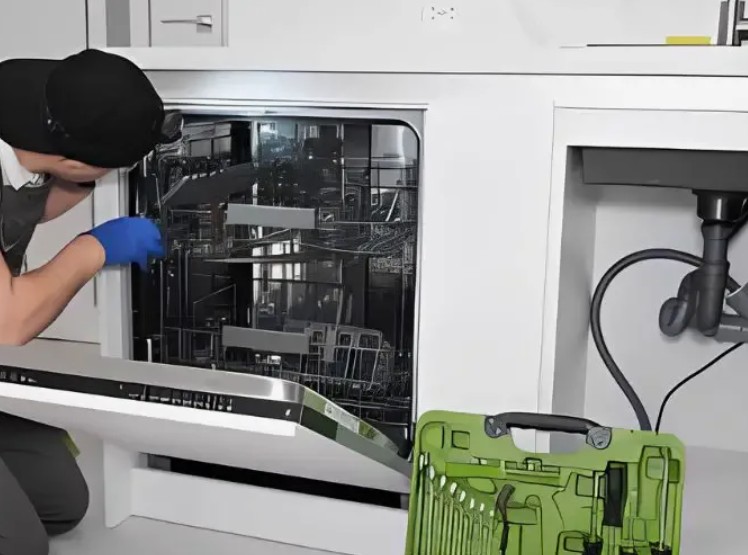
Key Fixes For Commercial Dishwashers
When a busy kitchen slows down because dishes come out dirty, the whole service line feels it. Staff start to rush, mistakes multiply, and guests wait longer than they should. In many cases the root cause is not a broken unit but skipped checks and poor loading habits. With a structured approach and the right partner for Commercial Dishwasher Repair, a restaurant can turn a constant headache into a predictable routine.
The first step is to understand what the machine is trying to tell you: cloudy glasses, grit on plates, strange sounds, puddles on the floor, or cycles that never seem to end. Each symptom points to a specific group of faults. Once the pattern is clear, it becomes easier to decide when to handle the issue in house and when to call a technician.
Quick rule of thumb: if the fault involves power, wiring, or control boards, shut the unit down and bring in a qualified specialist without delay.
Problem 1: Dishes stay dirty
What usually causes this
The most common complaint is that plates and glasses leave the rack with food residue or a dull film. Frequent reasons include poor scraping before loading, clogged spray arms, and low detergent or rinse aid. Overloading racks is another frequent mistake, because tightly packed dishes block the water jets and trap debris. Hard water buildup on nozzles and inside lines makes the situation worse over time.
How to clear it up
Start by checking loading patterns and reduce the number of items per rack for one shift. Then remove and clean spray arms, filters, and strain screens, rinsing them under hot water and brushing out every jet. Confirm that chemical levels match manufacturer guidelines and adjust the settings if needed. If plates are still cloudy after these steps, schedule Commercial Dishwasher Repair to test pumps, heating elements, and dosing equipment.
- Scrape and briefly rinse dishes before each cycle.
- Keep filters, arms, and nozzles free of food and scale.
- Use the correct type and dose of detergent and rinse aid.
Problem 2: Water on the floor
Leaks and drips
Pools around the base of the unit point to worn door gaskets, loose hose connections, or cracks in the wash tank. Sometimes the door simply does not close evenly on its hinges, so water escapes at full spray pressure. Mineral deposits can prevent seals from sitting flat and create tiny channels for moisture. Left unchecked, these leaks damage floors, attract pests, and may lead to electrical hazards.
What to do next
Wipe everything dry, run a short cycle, and watch carefully to see where water emerges first. Tighten accessible fittings, then inspect the door seal for splits, hard spots, or gaps and replace it if the material has lost its elasticity. If the tank, internal plumbing, or heat exchanger appears to be cracked, stop using the machine and contact a service provider that handles Commercial Dishwasher Repair on pressurized systems.
Never ignore a small leak; minor drips often signal early failure of gaskets or lines and are cheaper to handle at the first sign.
Problem 3: Poor draining
Standing water after a cycle
When the cycle ends and dirty water still covers the base, staff often assume the whole unit has failed. In reality, blockages in the drain screen, pump housing, or standpipe cause most drainage issues. Food scraps, broken glass, and labels collect in traps and restrict flow. In some kitchens, the external floor drain also backs up and sends wastewater back toward the machine.
Steps to restore flow
Power the unit down, remove the drain screen, and clear all visible debris, then check the standpipe or sump for foreign objects. Once these parts are clean, run a test cycle and confirm that water leaves the tank promptly. If the pump makes grinding sounds or fails to start, professional Commercial Dishwasher Repair is needed before normal service resumes. Do not keep running the unit against a stalled pump, as this often burns the motor.
Problem 4: No heat or short cycles
Temperature and timing faults
Sanitizing results depend on stable water temperature and full rinse duration. If plates feel cold or the cycle ends too quickly, guests may be served on items that do not meet hygiene standards. Frequent causes include scale on heating elements, faulty thermostats, and sensors that misread water levels. Power spikes also damage control boards and lead to unpredictable program lengths.
Safe troubleshooting
Kitchen staff can log actual cycle times, note any error codes, and look for tripped breakers or reset buttons on the body of the unit. Beyond those checks, temperature and control work should only be handled by trained technicians for safety reasons. When you call for Commercial Dishwasher Repair, share a full description of symptoms and the maintenance steps already taken; this shortens diagnostic time and often reduces labor costs.
Problem 5: The unit will not start
From door switches to control boards
A silent machine right before service is every manager’s nightmare. Yet the underlying trigger is often simple: an unlatched door, an engaged safety switch, or a tripped power supply. More complex cases involve failed start buttons, wiring faults, or damage to the main control board after years of heavy use. Attempting improvised repairs on live electrical parts is never worth the risk.
Planning ahead
Build a short checklist for staff covering power, breakers, door latches, and obvious error indicators before they call for help. Combine that with a routine schedule of inspections so worn parts are replaced during off hours rather than during peak periods. With clear procedures, staff training, and timely support from a trusted Commercial Dishwasher Repair company, a restaurant keeps dishwashing predictable and protects both hygiene and revenue.